
Our Southern Resident Killer Whale Research
Long-term monitoring of Southern Resident behavior
.jpg)

Tracking Salish Sea Presence and Absence
One of the most noticeable changes over the last two decades has been shifts in Southern Resident killer whale habitat use. At the time of their endangered listing, the central Salish Sea was considered their “core summer habitat”, but now their presence is much less predictable, and they are often gone for weeks or months at a time during the summer months.
Explore Our Sightings Maps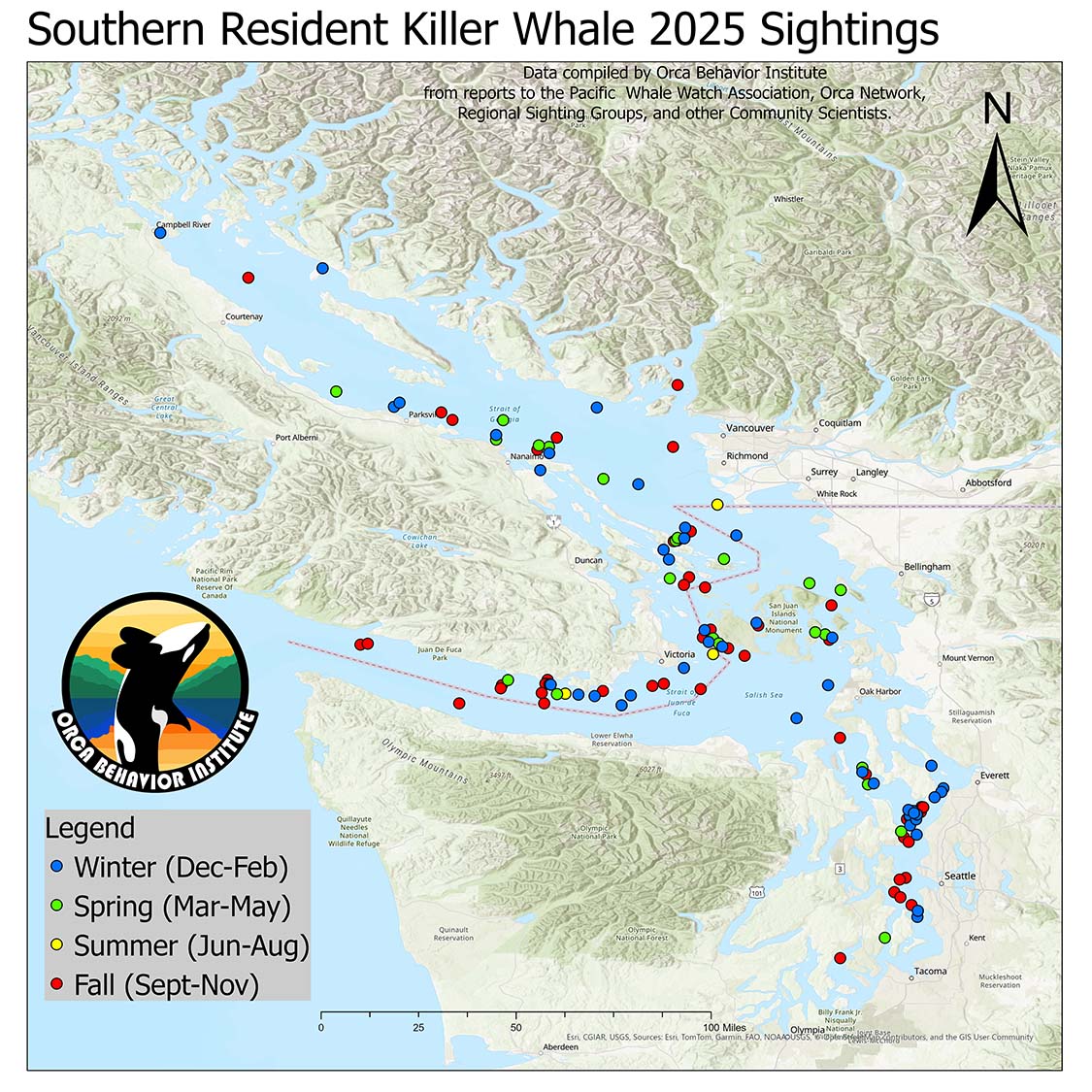
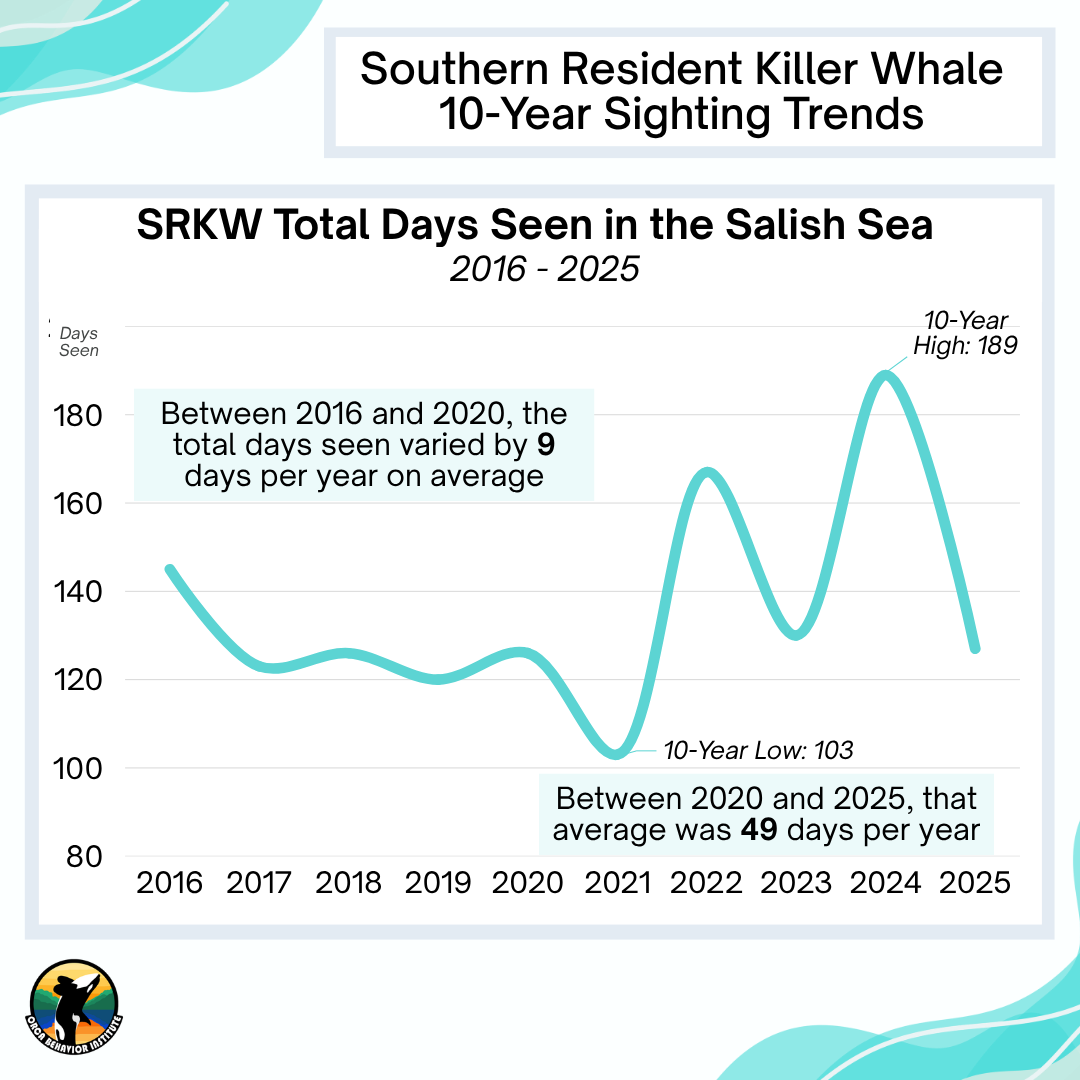
With a broad network of community science partners including the Pacific Whale Watch Association, Orca Network, and regional sightings groups on social media, we collate and verify reports to help keep accurate year-round records on Salish Sea-wide presence and absence of Southern Residents. In additional to publishing several peer-reviewed papers with this data, we also regularly assist other agencies in assessing Southern Resident killer whale presence and how it intersects with current or proposed management actions.
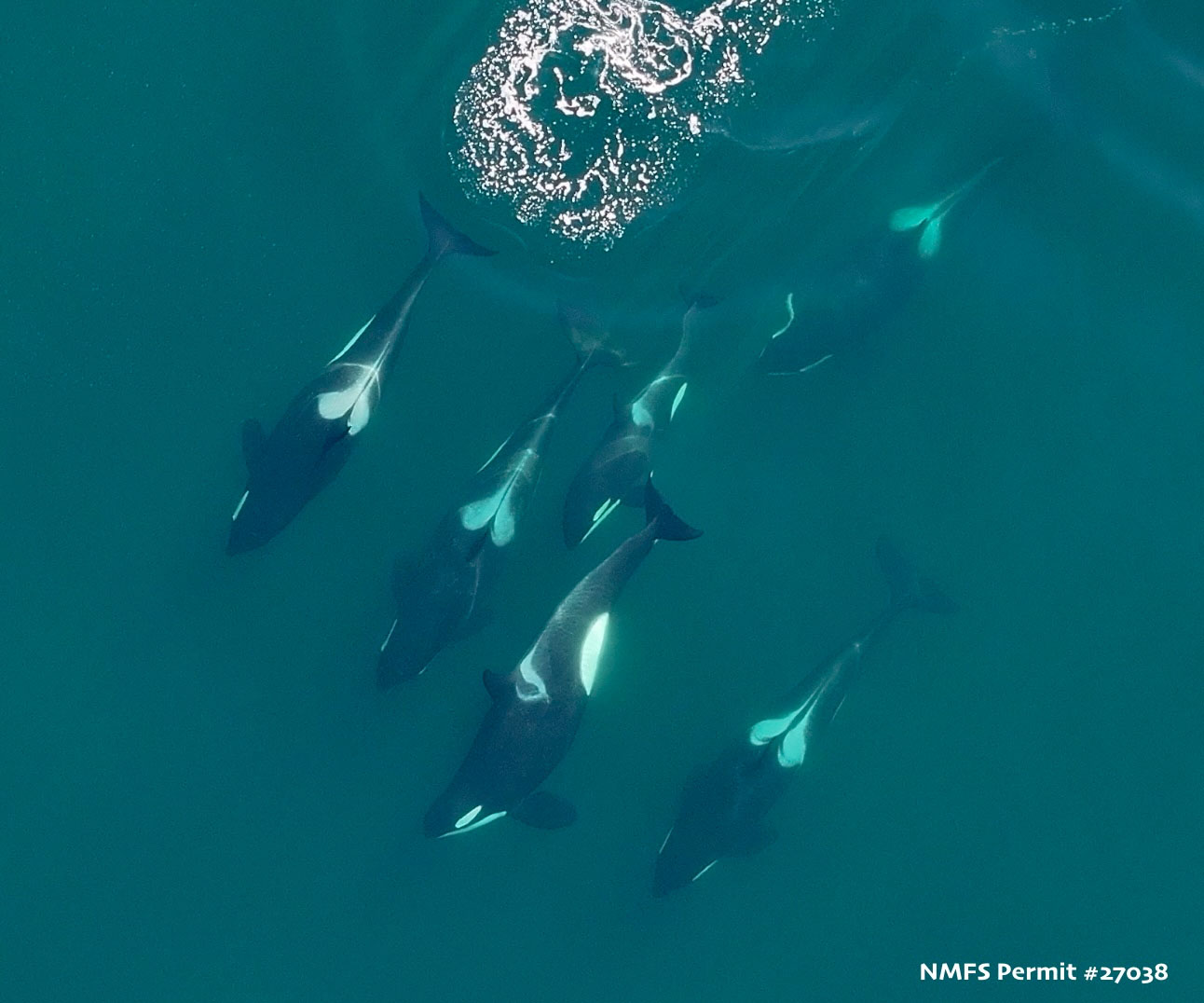
Pairing Hydrophone Recordings with Drone Observations
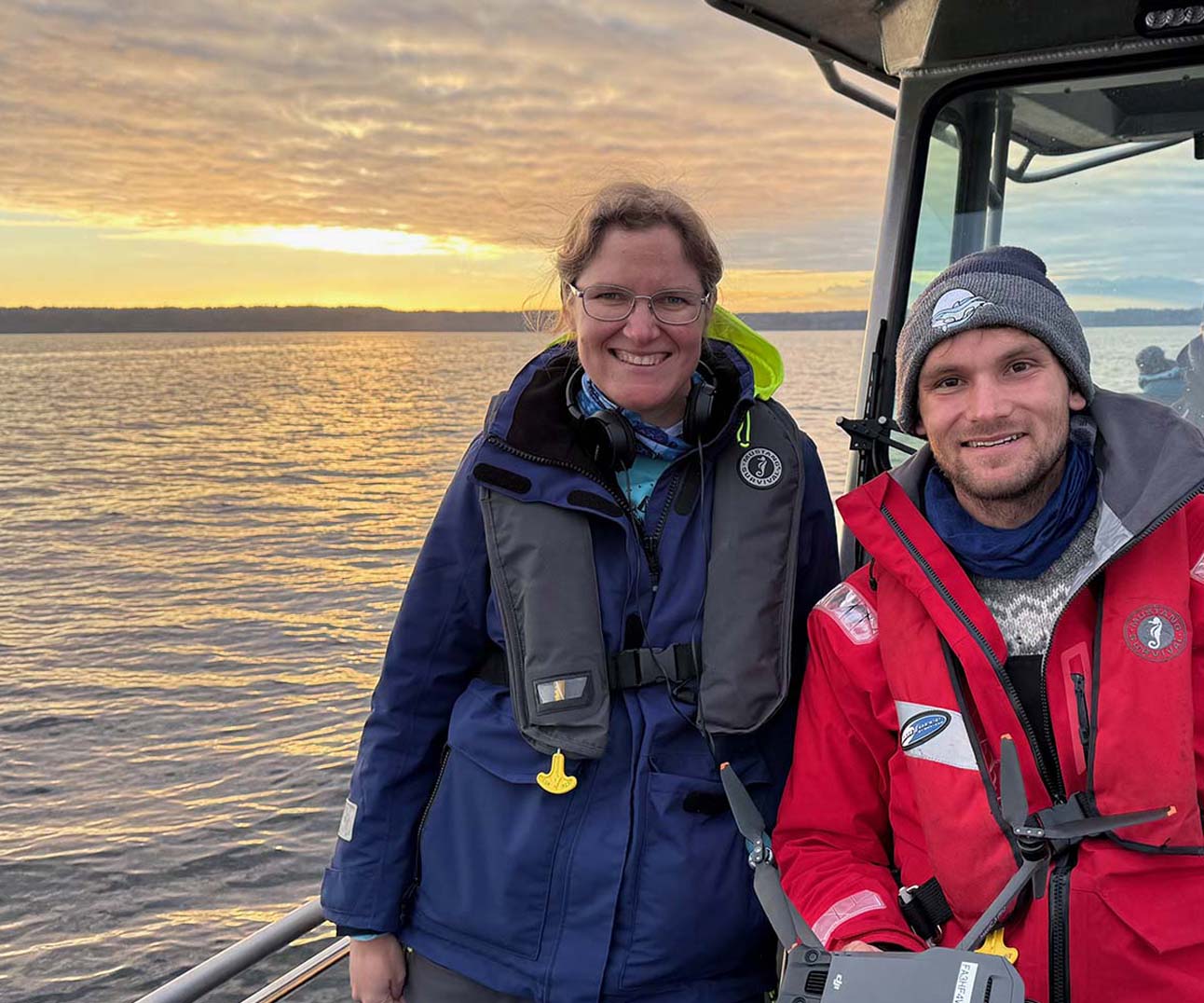
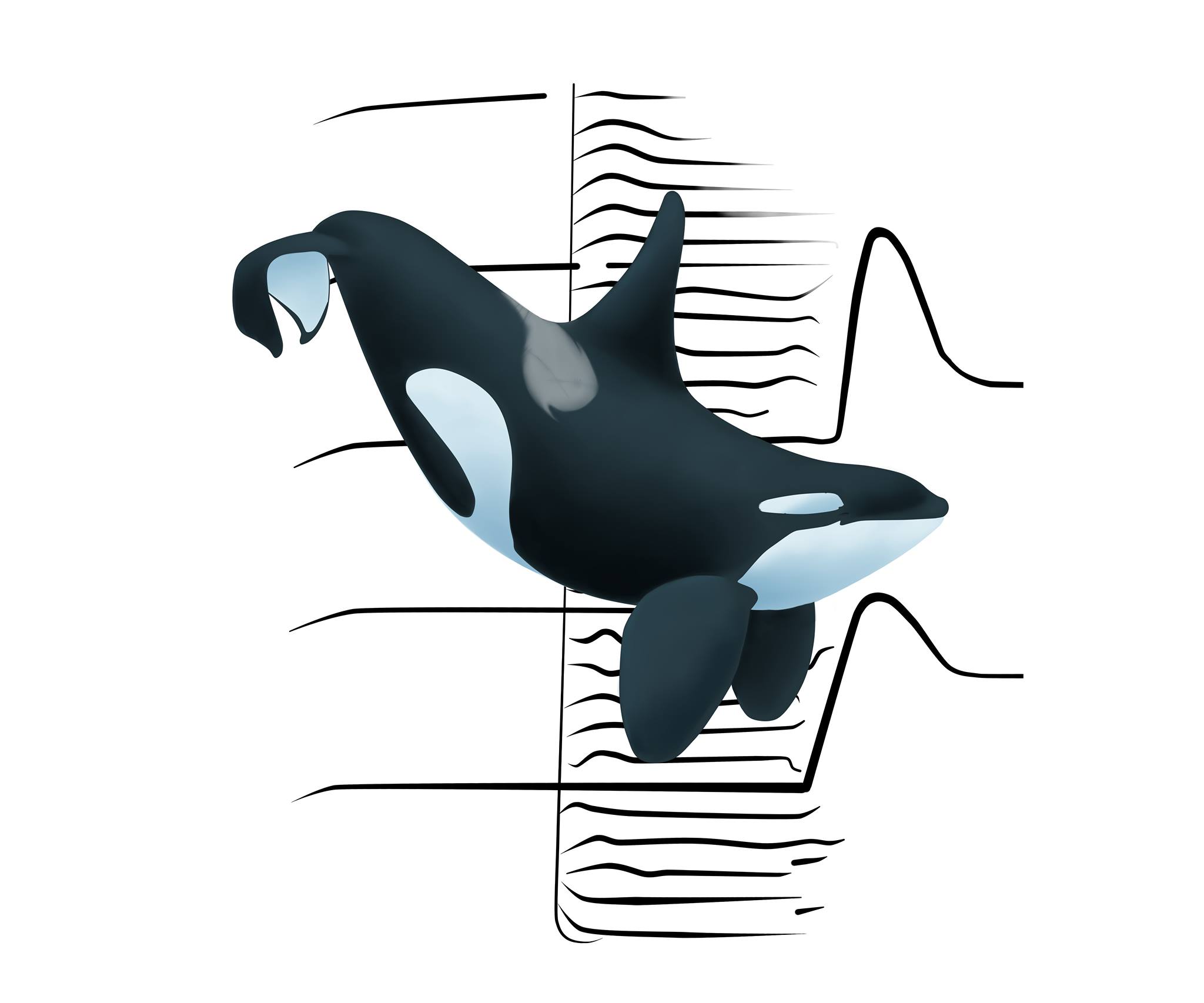
Working together on the water in the fall in Puget Sound, we are deploying a hydrophone array to help us localize specific calls and linking those recordings to drone observations of whale behavior.The hope is that if we can find vocal cues of key survival behaviors like foraging, prey sharing, or nursing, those observations can be applied to areas like the outer coast where we have passive acoustic monitoring of Southern Residents but very little visual observation of behavior to help determine how they are utilizing their broader habitat outside of inland waters.

.jpg)

.jpg)
.jpg)
.jpg)
%202022.jpg)