A summary of some of the biggest ticket issues that could be game-changers for the Southern Resident killer whale population. Let this list be a starting point in your journey to learn more about these complex topics.
20 Years Endangered
We Must Do More To Save
the Southern Resident Killer Whales

The Southern Resident killer whales inspired the founding of the Orca Behavior Institute. Our original research goals were to begin long-term behavioral monitoring and presence/absence tracking to put data to some of the changing patterns we were observing. Through this page, we hope you learn more about who these whales are, why they are unique, how they became endangered, and what we can all do to help reverse this trend.
Meet The Whales
Each individual whale has an alphanumeric designation: the pod letter followed by a number that indicates the order in which they were identified or born into the pod. This is how scientists keep track of who is who.
They also each have one or more common names that have been given to them in various ways over the years. We believe that common names help the public connect to the whales more on an individual level, so we've provided our preferred common names here alongside some basic stats about each whale.
They also each have one or more common names that have been given to them in various ways over the years. We believe that common names help the public connect to the whales more on an individual level, so we've provided our preferred common names here alongside some basic stats about each whale.
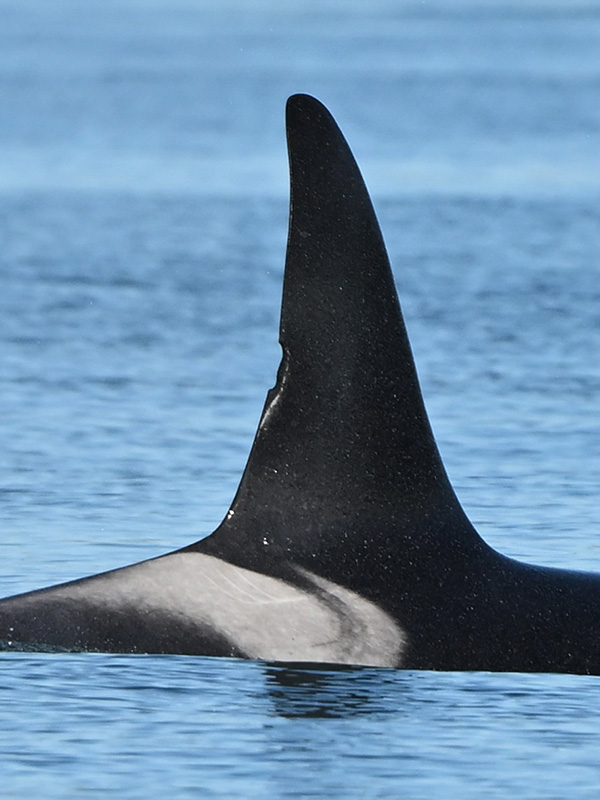
J47
Notch
Notch got his namesake marking at a young age. The size and shape of his notch has changed dramatically as his dorsal fin has grown with age.
Sex:
Male
Birth Year:
2010
Age:
January 1, 2010
Pod:
J Pod
Matriline:
J17s
Artist:
Jason and Monika Shields
Photo taken under NMFS Permit #27038

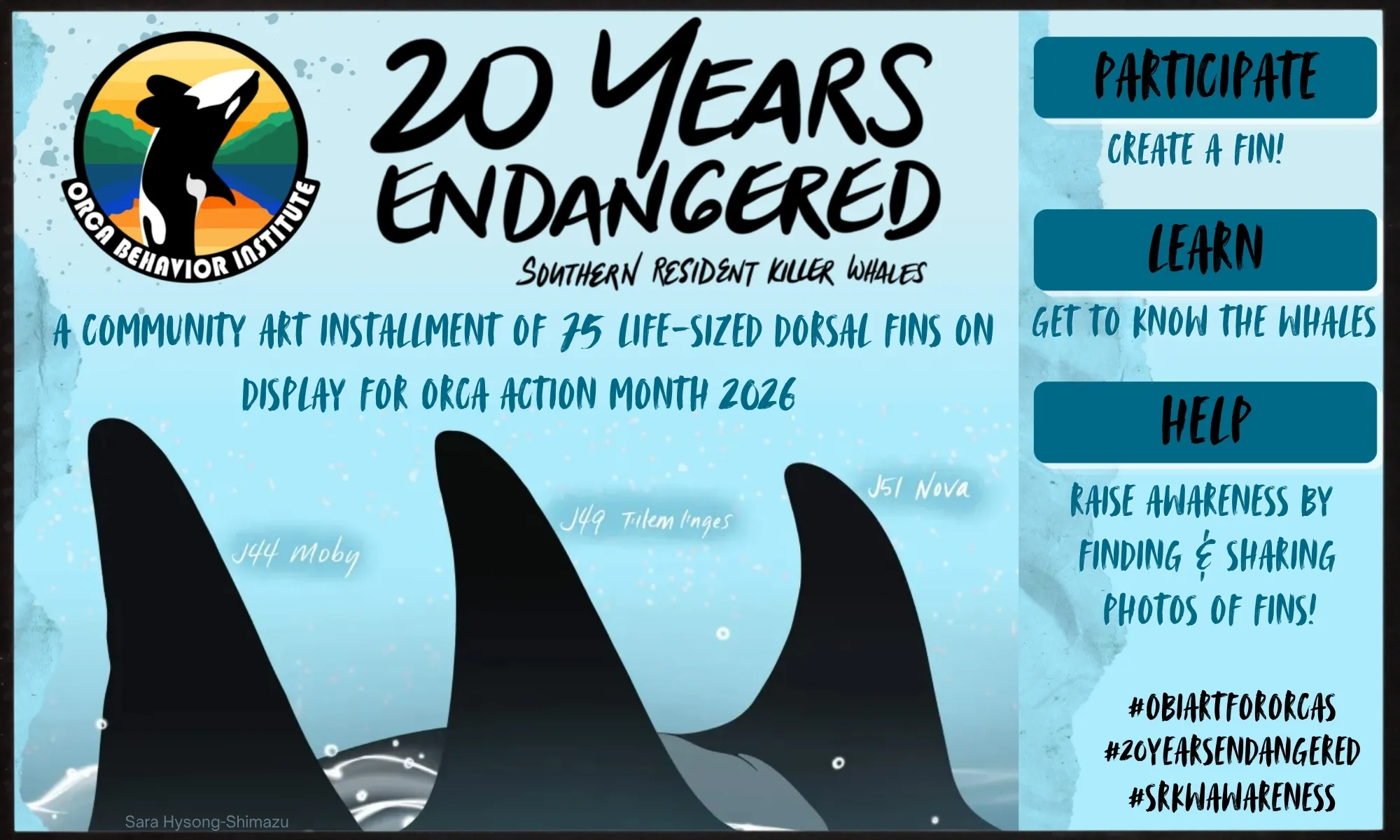
#OBIArtForOrcas
Orca Action Month 2026
Our ambitious community art project featuring 75 life-sized dorsal fins on display throughout the Pacific Northwest and beyond.
Learn More
gone but not forgotten
Gone But Not Forgotten
Annual Day of the dead tributes
Each year on Day of the Dead, Monika writes a tribute to any whales we have lost. Their stories live on through these posts.
Read The Tributes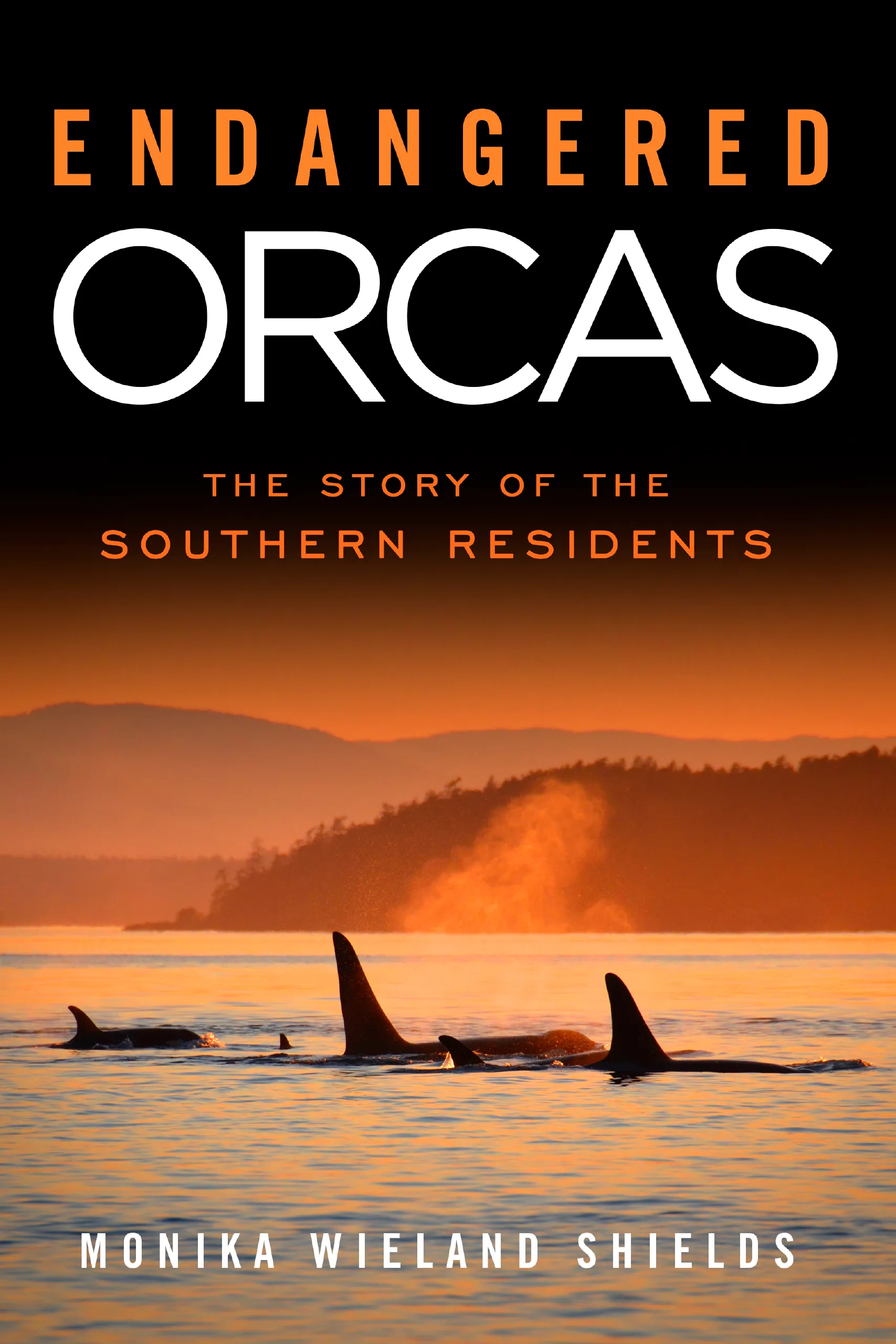
gone but not forgotten
The Story of The SRKW
written by Monika W. Shields
With more challenges on the horizon, one question looms: can we still create a sustainable future for humans and Southern Resident orcas in the Salish Sea?
Get a Signed Copy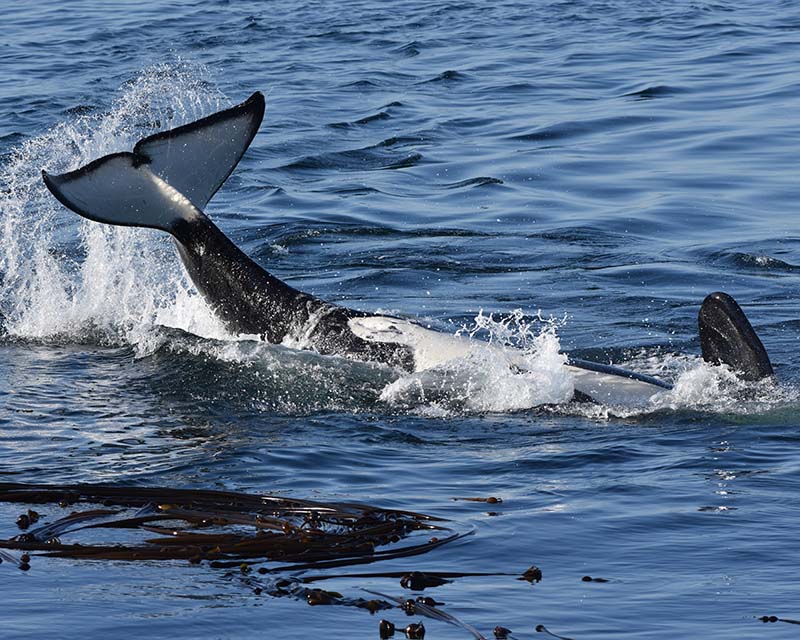
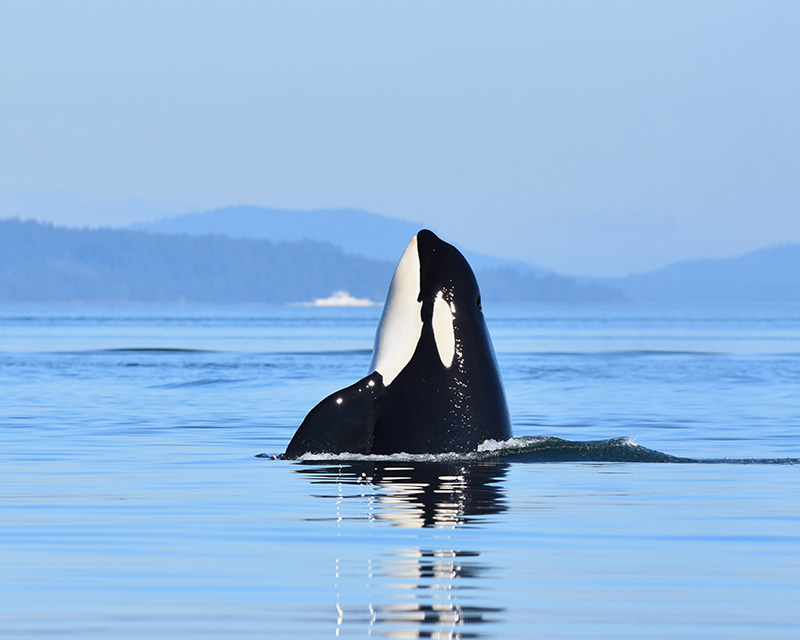
Southern resident KILLER WHALES
Learn More About the Sub-Groups
The Southern Resident killer whale (SRKW) population is made up of J-, K-, and L-Pods. Thanks to decades of research and the annual population census done by the Center for Whale Research, we know them as individuals with traceable matrilineal histories.
The groups outlined below represent the main social units of the Southern Residents that typically travel all together.
The groups outlined below represent the main social units of the Southern Residents that typically travel all together.


Meet J-Pod
J-Pod is the "most resident" of the three Southern Resident pods, spending by far the most time in the inland waters of the Salish Sea.
.jpg)
Meet K-Pod
Since studies began in the 1970s, K-Pod has been the smallest of the three Southern Resident pods, usually numbering between 15 and 20 individuals.
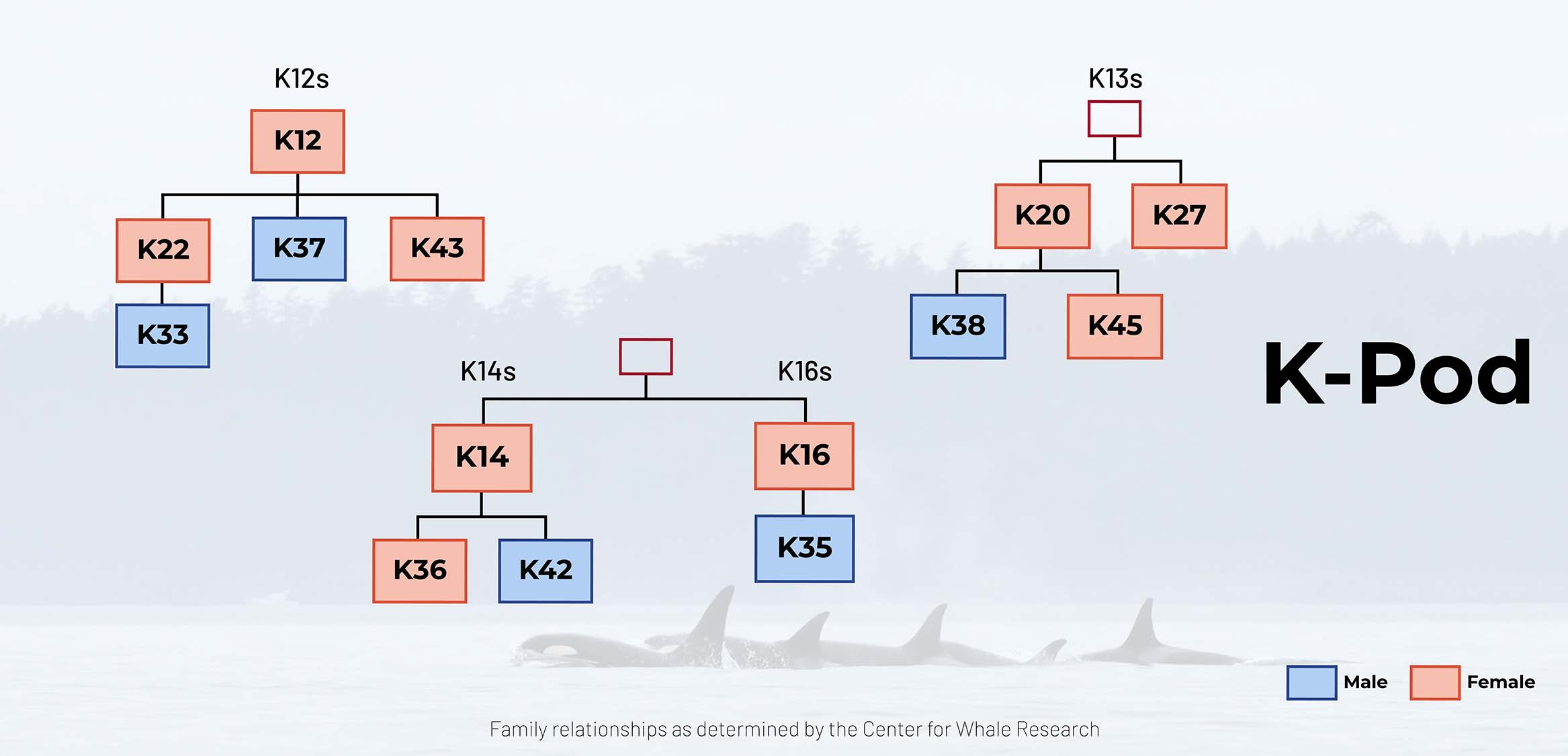
Meet The Greater L4s
The Greater L4s are the largest sub-group in L-Pod containing +/- 20 whales from several matrilines.

Meet The L12 sub-group
The L12 sub-group (or Greater L12s) is the mid-sized sub-group from L-Pod typically numbering between 10 and 15 individuals.
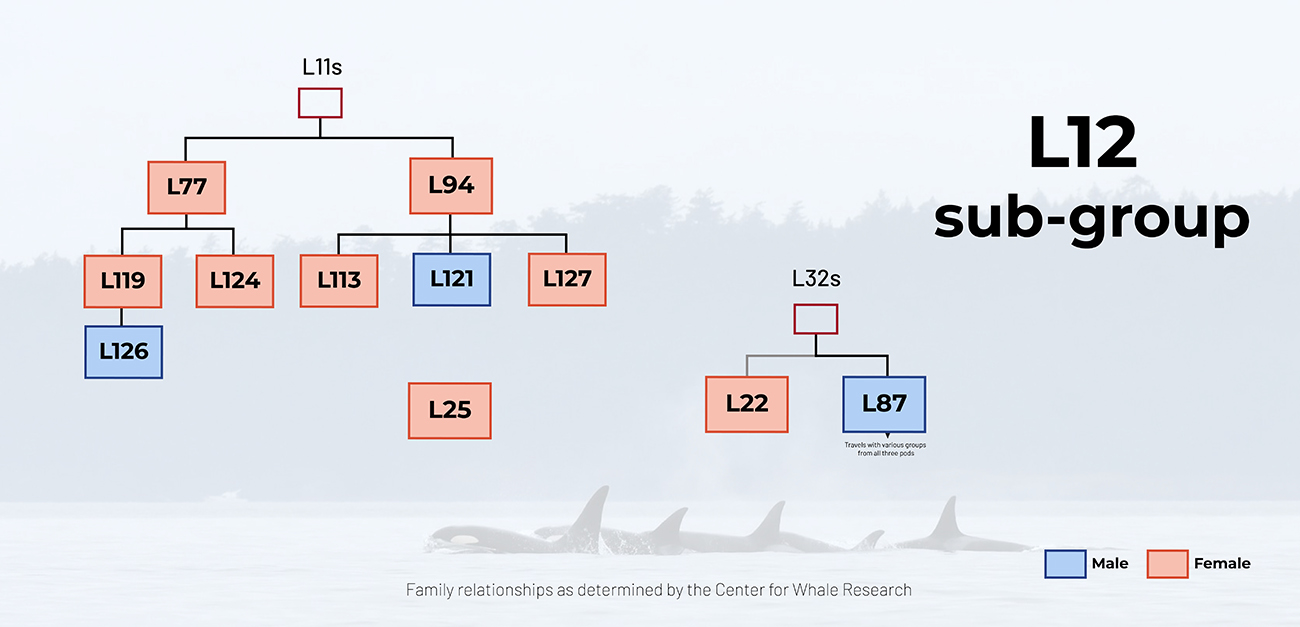
Meet The L54 sub-group
The L54s are the smallest Southern Resident sub-group, currently totaling just four whales.

video & Hydrophone recordings
Explore our SRKW Multimedia
Experience the Southern Residents through our collection of video compilations and hydrophone clips from our field work
Our Videos Filmed and Edited by Jason Shields
J-Pod at Dusk
September 8, 2026
A Moment with Js & Ks
August 31, 2026
J Pod in Cattle Pass, San Juan Islands
March 27, 2026
September Days with J-Pod 2025
September 15, 2025
A Surprise Visit from J-Pod (with J62) in Cattle Pass
February 22, 2025
Southern Resident killer whale mom L90 Ballena with newborn calf L128
May 28, 2026
J-Pod Highlights Spring 2023
May 28, 2026
Memorable Southern Resident Superpod Highlights | All 73 Whales together
May 28, 2026
An Introduction to Southern Resident killer whales Acoustic Communication
February 1, 2025
SRKWs Return To The Salish Sea!
May 28, 2026
Southern Resident Killer Whale Behaviors
February 2, 2026

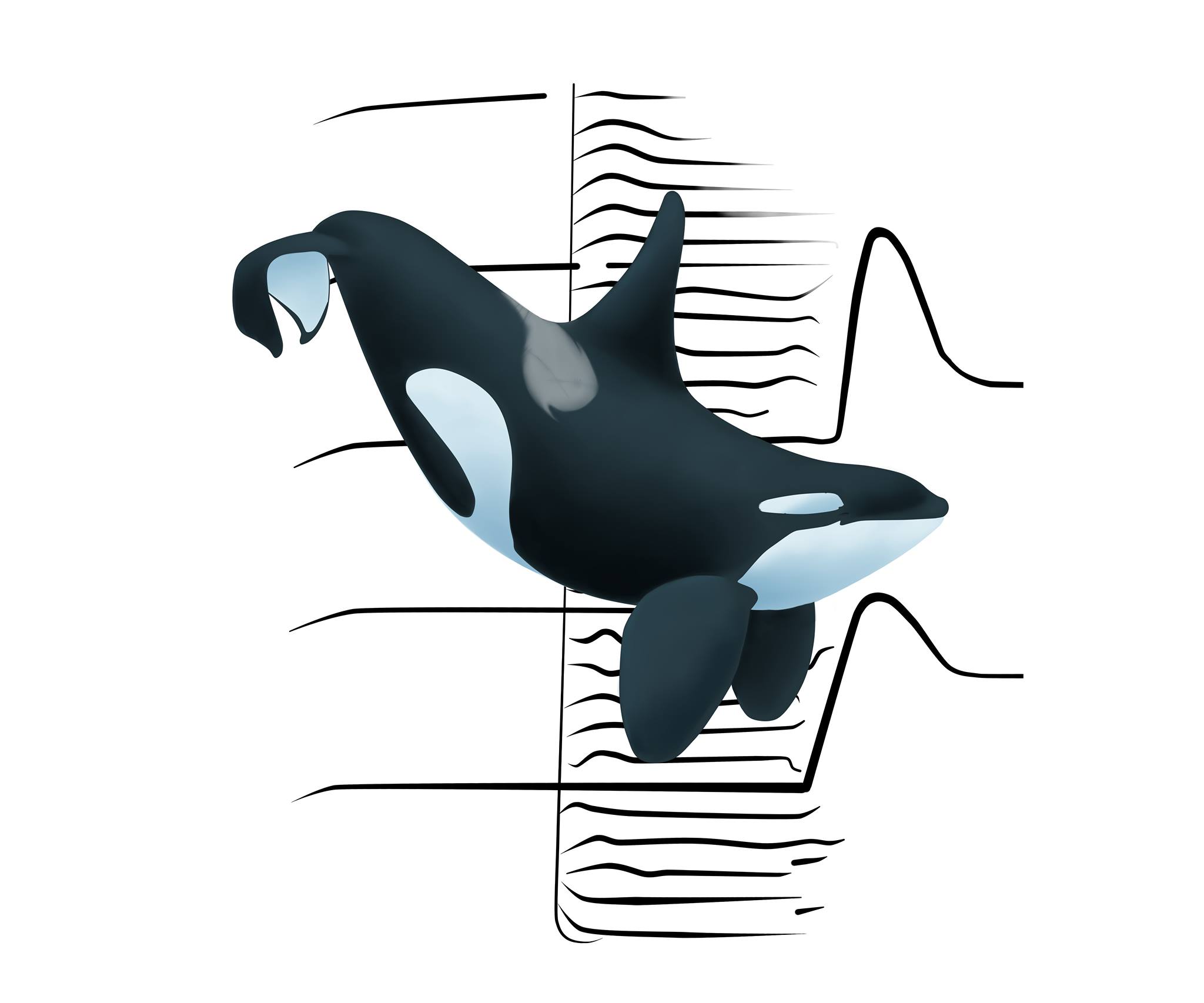
.jpg)
%202022.jpg)
.jpg)
.jpg)
.jpg)