The Orca Behavior Institute is a non-profit whale research organization based on San Juan Island, Washington. Founded in 2015, OBI was created by a small group of passionate community scientists.
Inspiring conservation of wild killer whales
through non-invasive research, bold advocacy, and science based education


OUR RESEARCH
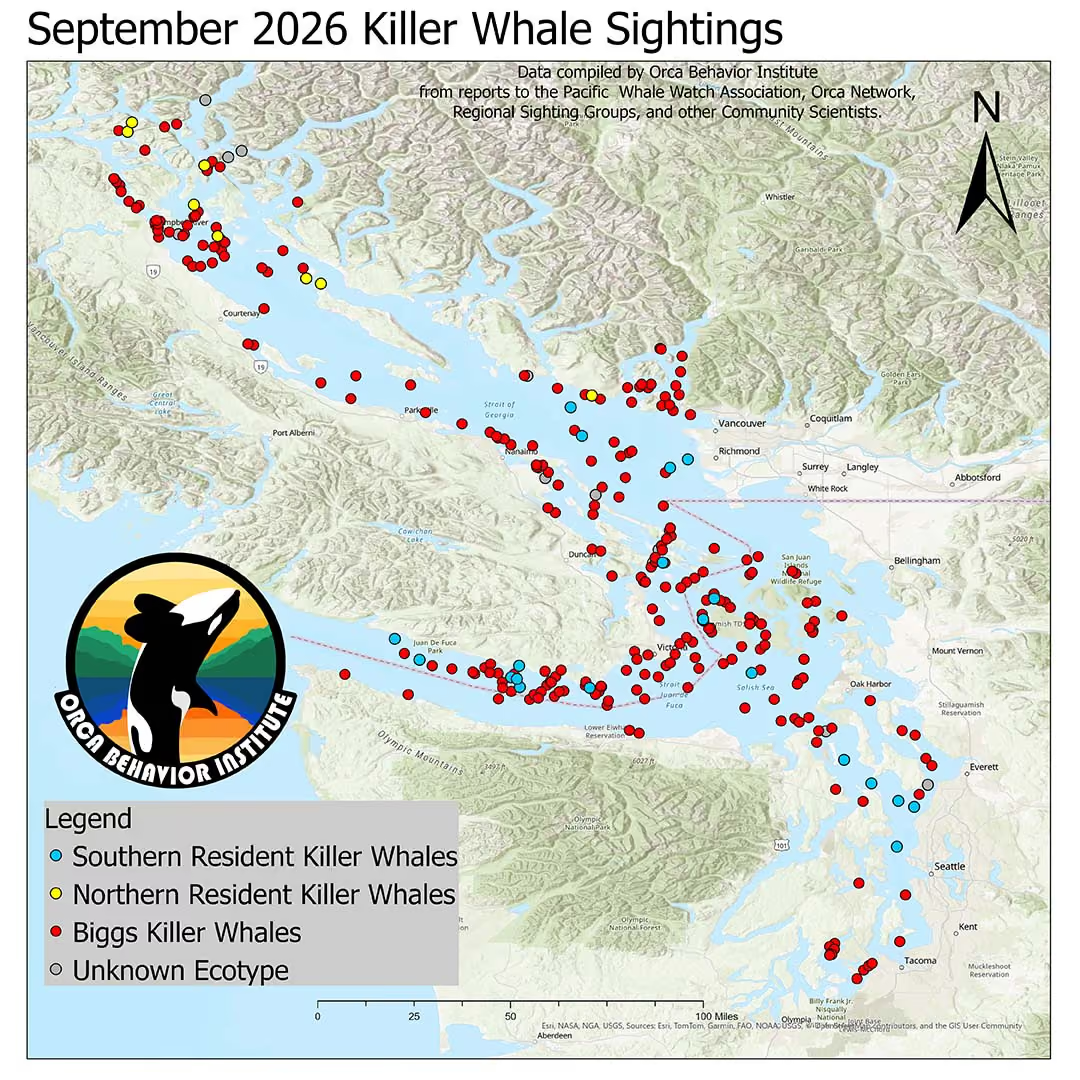
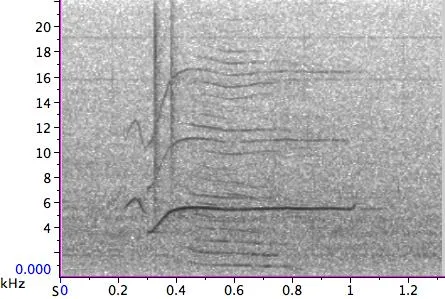
Our primary goal is to collect long-term data sets documenting changes in whale behavior in the Salish Sea to help inform the protection Bigg's killer whales and the recovery of Southern Resident killer whales. We aim to publish current data and trends in a timely manner by tracking and confirming whale sightings throughout the region, conducting field observations of whale behavior, and recording and analyzing whale acoustic communication. This will help inform other research efforts and ongoing policy decisions.

2000
+
per year
Whale Sightings
Tracked
Tracked

7
Peer-Reviewed
Publications
Publications

60
+
Public Comment
Letters Submitted
Letters Submitted

150
+
per year
Field Research
Encounters
Encounters
As we’ve grown in recent years, our work has expanded to include science-based continuing education programs and partnerships aimed towards promoting bold advocacy on behalf of regional killer whales and the ecosystem they rely on.
.webp)

Our work is driven by individual donations from supportive community members who believe in our mission. No matter how great or small, your donations are truly what makes our work possible.
OBI News

gone but not forgotten
What research permits and permissions are required for our fieldwork?
OBI Updates
October 8, 2026
OBI
Read Article
Discover the Southern Residents
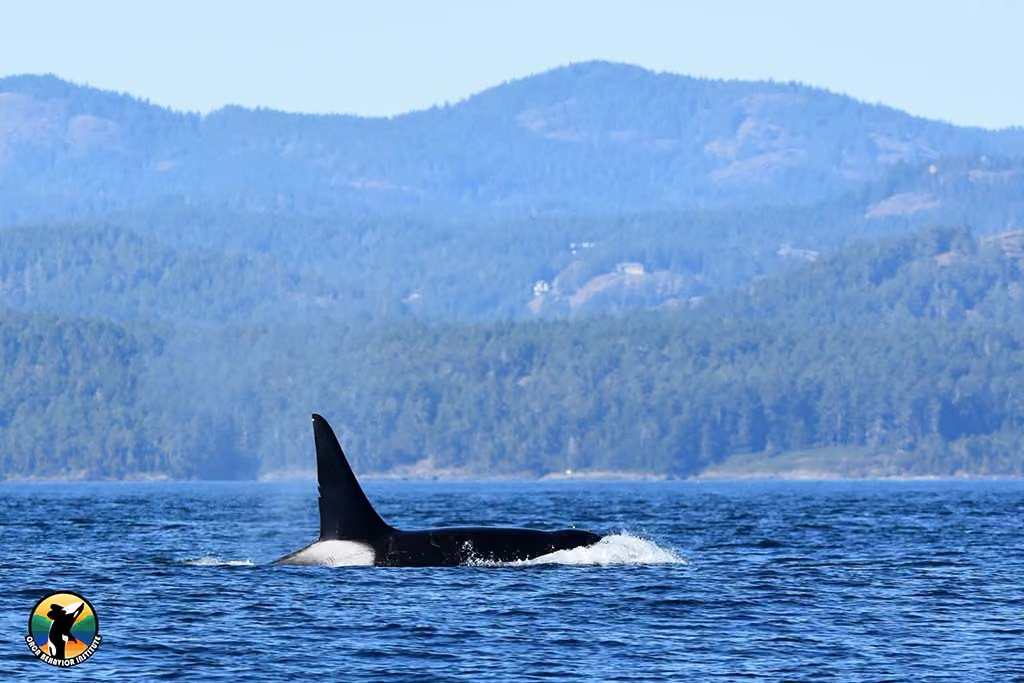
The Southern Resident orca population is made up of J-, K-, and L-Pods. Our research on the Southern Residents focuses on presence/absence in the Salish Sea, behavioral budget and behavioral shifts over time, and acoustic communication.

Meet the pods
Meet Bigg's Matrilines
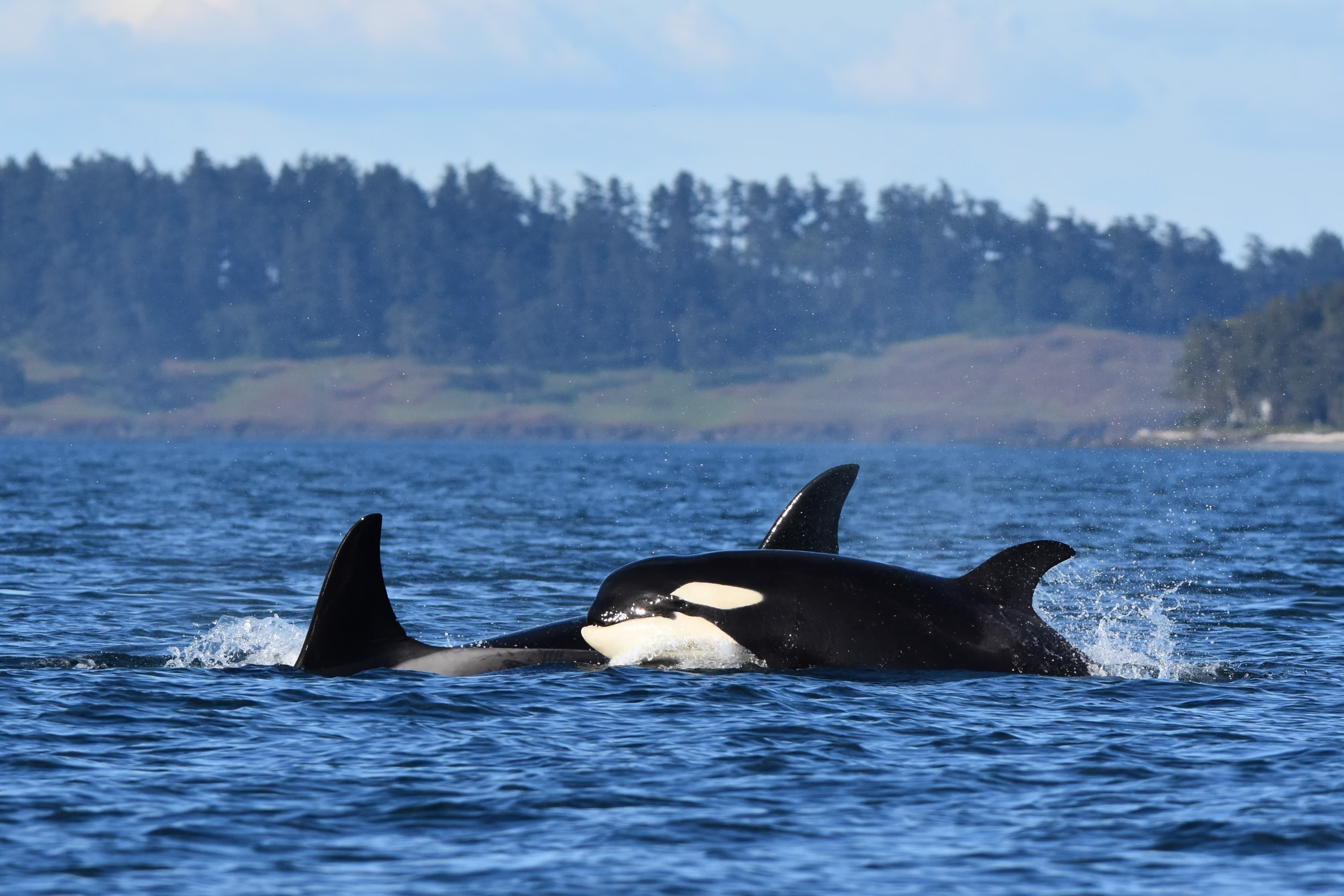
Bigg's Killer whale matriline
Meet the
T49As
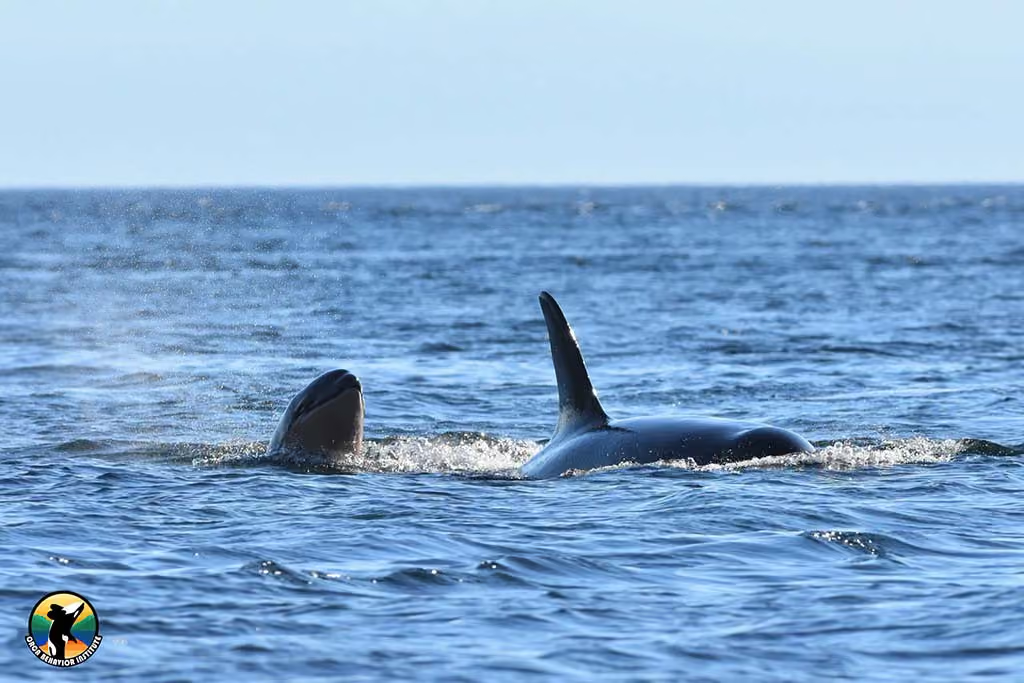
The T49As are one of the most frequent families to visit the Salish Sea, but they’ve also been known for decades as one of the most wide-ranging family groups of Bigg’s killer whales.
Check out our latest video!
T49As Visit Friday Harbor
The T49As recently paid a visit to Friday Harbor - right into the harbor itself! It was a gorgeous autumn evening and they made it just before dusk. Also featured is a cameo from one of our 2025 interns who was watching from the shoreline. The humans for scale give you a perspective on just how big T49A3 Nat is getting. 😍
🎥 Filmed and edited by Jason Shields

If you’re curious about the orca videos created by Jason Shields or have questions about the process, click HERE! We asked Jason to answer some of the most common inquiries about his videos.