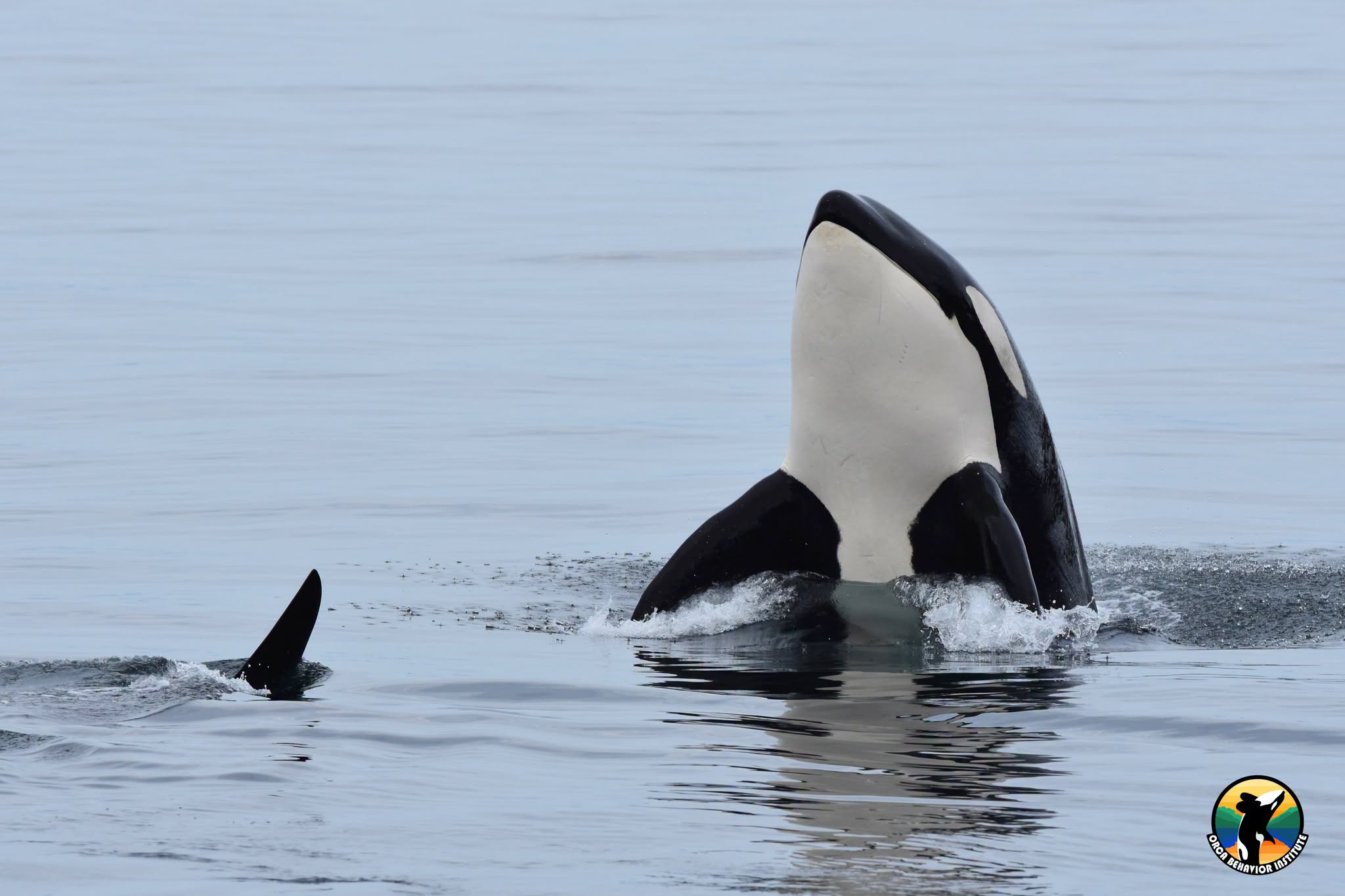
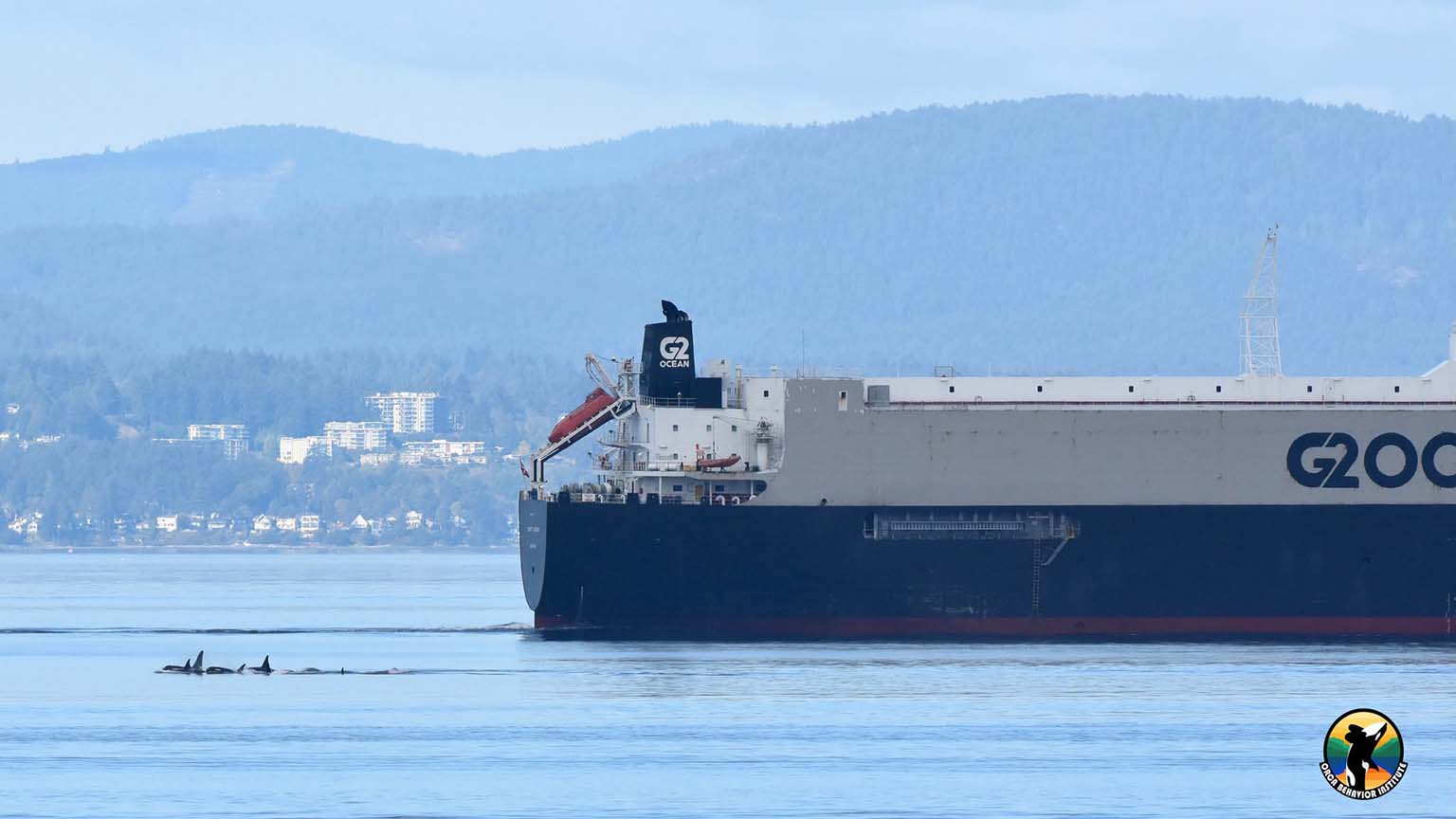
Encounter with mammal-eating killer whales in the Gulf of Alaska!
While on the water out of Seward last month with Northern Latitude Adventures we got the chance to encounter mammal-eating killer whales in the Gulf of Alaska!
Fish-eating "residents" and mammal-eating "transients" are the two main orca ecotypes encountered coastally in the North Pacific. Within each ecotype are multiple populations; most people are familiar with Southern Residents vs. Northern Residents, for example, but there are also multiple stocks of transient killer whales. The "West Coast Transients" are the ones we see regularly in the Salish Sea, but the stock further north is currently known as the "Gulf of Alaska, Aleutian Islands, and Bering Sea" transient stock.
Resident killer whales seem to have rigid borders between populations. Northern and Southern Residents don't socialize or interbreed, for example. In transient (or Bigg's) killer whales, these boundaries seem a little more blurred. There have been occasions where West Coast Transients and Gulf of Alaska Transients have been documented in association with one another.
Overall, very little is known about the Gulf of Alaska transients compared to West Coast transients, including their estimated population size, population trajectory, or even if they might in reality be multiple sub-populations. A few dozen individuals, however, are somewhat better known, with given alphanumeric designations and presumed family relationships.
We got to see part of a matriline known as Matushka's group, named after presumed matriarch AT109 Matushka (Russian for 'mother') who interestingly enough now travels as a lone female. According to the North Gulf Oceanic Society, her family is typically seen in the Kenai Fjords region every year and seems to specialize on Steller sea lions.
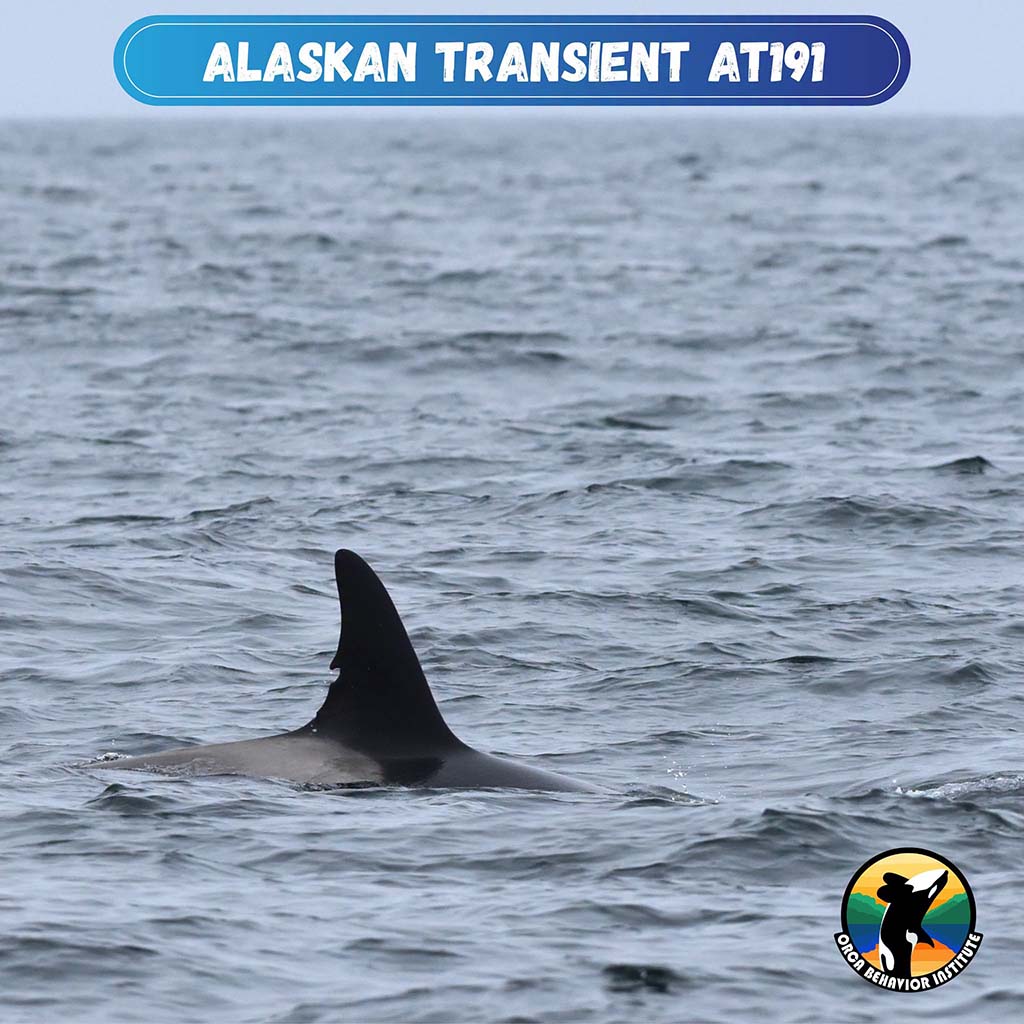
While we didn't see Matushka herself, we saw her presumed daughter AT111 Natasha, granddaughter AT125 Karenina, great granddaughter AT191 Pilot (pictured here), and a 2021 calf born to the group. There may have been a couple of others in the vicinity, as well.
Within the Salish Sea, transient killer whales used to be more cryptic, but have seemingly adapted to this urban environment with plentiful prey and are now much easier to track and view. By contrast, the AT111 group very much felt like what we would call "old school Ts". They appeared out of nowhere, zig-zagged back and forth, and then completely disappeared 25 minutes later!
It was incredible to get a brief glimpse into the lives of another population of killer whales that are simultaneously similar to and so different from the transient killer whales we see and study in the Salish Sea!