
THE MOST IMPORTANT ACTIONS
What Else You Can Do
Visit the Most Important Actions page to learn about some of the biggest issues facing the Southern Residents. Engaging in these conversations however you are able – by contacting your elected officials, participating in public comment opportunities, or discussing with your friends and family – are all an important part of the process. Additionally, we wanted to provide you with some other ways to get involved, and that's what you'll find summarized below.

Know Where Your Seafood Comes From
While some people prefer to forego seafood entirely, we believe that supporting sustainable fisheries is a key part of the long-term solution. Afterall, fishermen and orcas all want the same thing – healthy, abundant salmon runs! Asking your local markets and restaurants where they source their seafood lets them know you care. You can start with Monterey Bay Aquarium’s Seafood Watch program to learn the basics for all species, or visit their Sustainable Salmon Buying Guide, but it’s worth doing additional research beyond that. Two key points: avoid farmed Atlantic salmon from BC and support terminal fisheries of wild-caught fish!
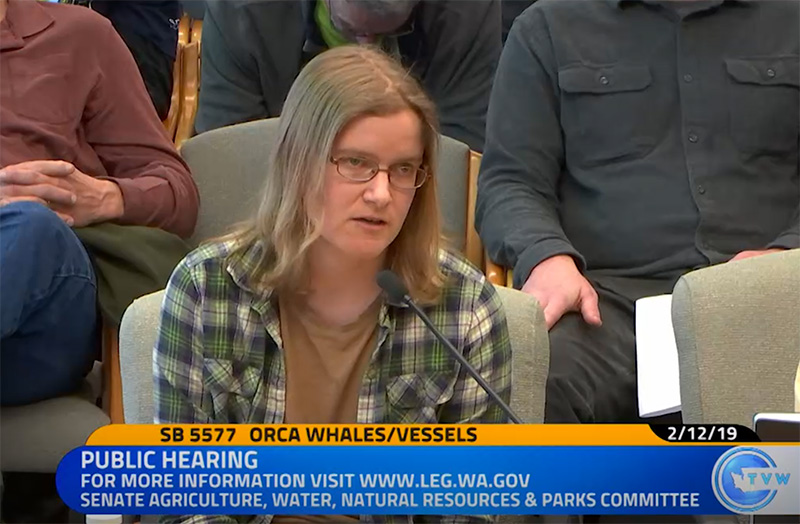
Participate in Local Legislative Sessions
With the current federal government’s lack of concern for the environment, protecting the wild places and species we love can feel overwhelming. It’s important to remember that we can have a greater impact at a more local level.
Contact your state, provincial, or county officials and let them know what issues are important to you, and participate in rule-makings and legislative sessions when they arise. In Washington State, you can find your state and federal representatives with this lookup tool. OBI and other organizations provide action alerts on social media to help let you know when it’s an important time to engage.
Contact your state, provincial, or county officials and let them know what issues are important to you, and participate in rule-makings and legislative sessions when they arise. In Washington State, you can find your state and federal representatives with this lookup tool. OBI and other organizations provide action alerts on social media to help let you know when it’s an important time to engage.
Keep Their Stories Alive
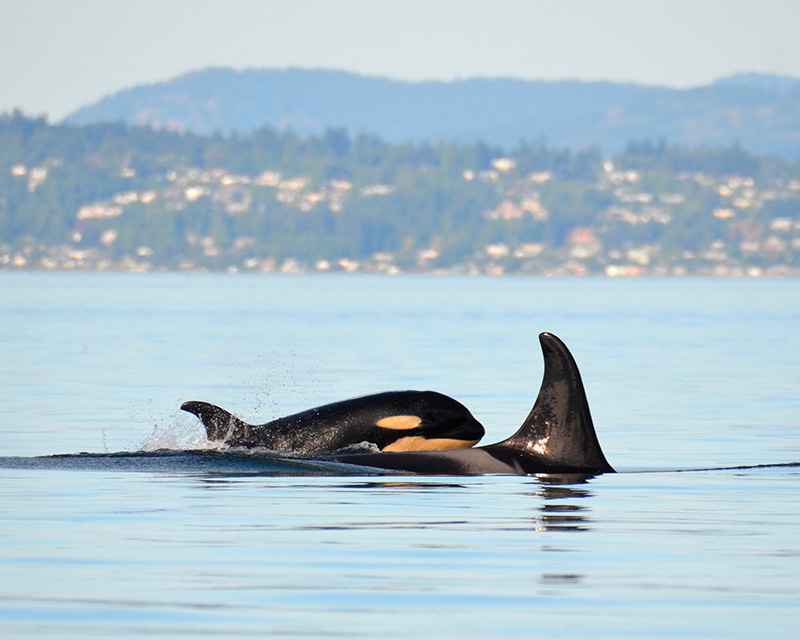
The Southern Residents used to be easily visible both from shore and on the water all throughout the summer in the central Salish Sea, but that’s no longer the case. Even though they are more of out sight than ever, we never want them to be out of mind.
Learn about and share the stories of these unique whales whenever you can; Monika’s book Endangered Orcas is a great place to start. We’re incredibly lucky to have two types of killer whales that frequent these waters, and the growing Bigg’s killer whale population provides an important counterpoint to the struggling Southern Residents. If one group of orcas can thrive here, a second one can, too.
Learn about and share the stories of these unique whales whenever you can; Monika’s book Endangered Orcas is a great place to start. We’re incredibly lucky to have two types of killer whales that frequent these waters, and the growing Bigg’s killer whale population provides an important counterpoint to the struggling Southern Residents. If one group of orcas can thrive here, a second one can, too.
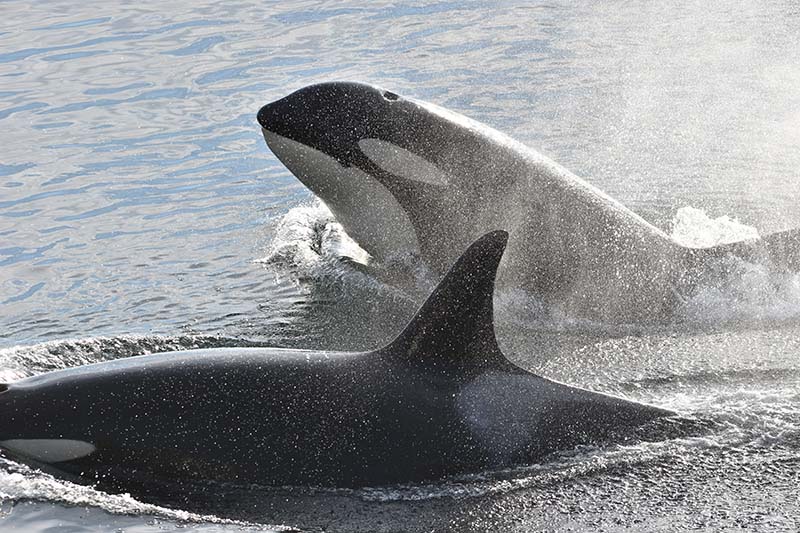
Support Organizations Doing the Important Work
Find the organizations and groups that share your values, are taking on the key issues, and are doing the hard, solution-oriented work. With federal funding cuts and the state of the economy, your help – through financial donations, volunteer time, and willingness to amplify the message – is more important than ever. Be wary of donating to groups that capitalize on the story of the Southern Residents but aren’t necessarily directly involved. There are dozens of research, educational, and advocacy groups worthy of your support.

Build Bridges and Look for Allies in Unexpected Places
The last two decades of Southern Resident killer whale recovery efforts have been filled with division and finger pointing. Rather than lay the blame somewhere else, it’s more important than ever that we recognize everyone truly does want the same thing: abundant wild salmon, cleaner and quieter waters, and ultimately, healthy whales. How can we work together towards our shared future? You don’t have to be a scientist to help us find solutions. We need everyone from all backgrounds to think creatively and work together in order to find and implement the solutions the Southern Residents need.