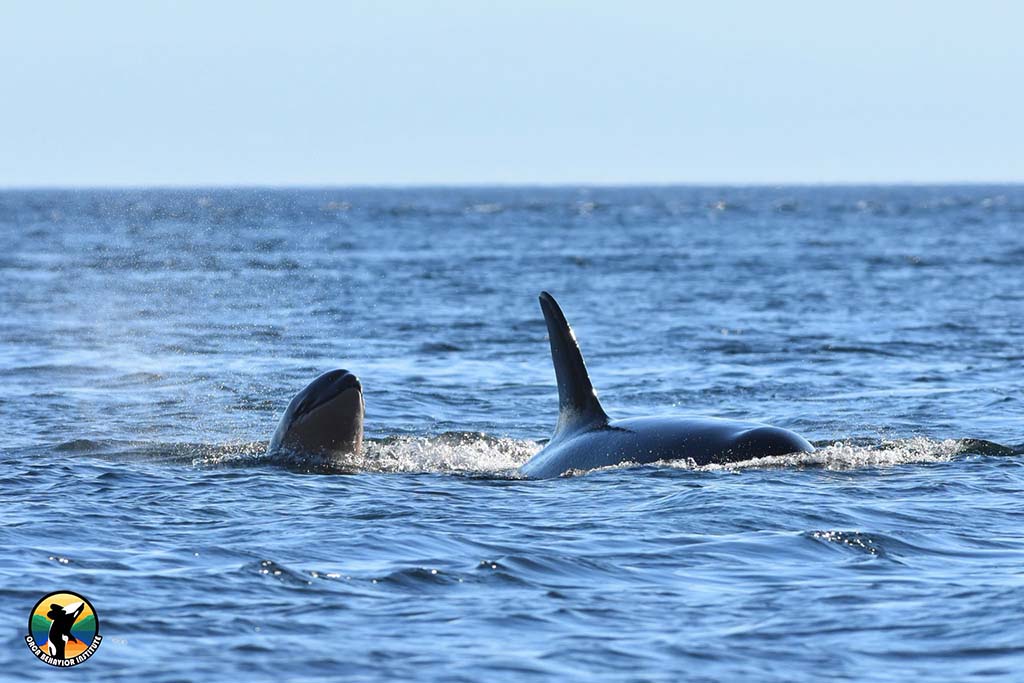
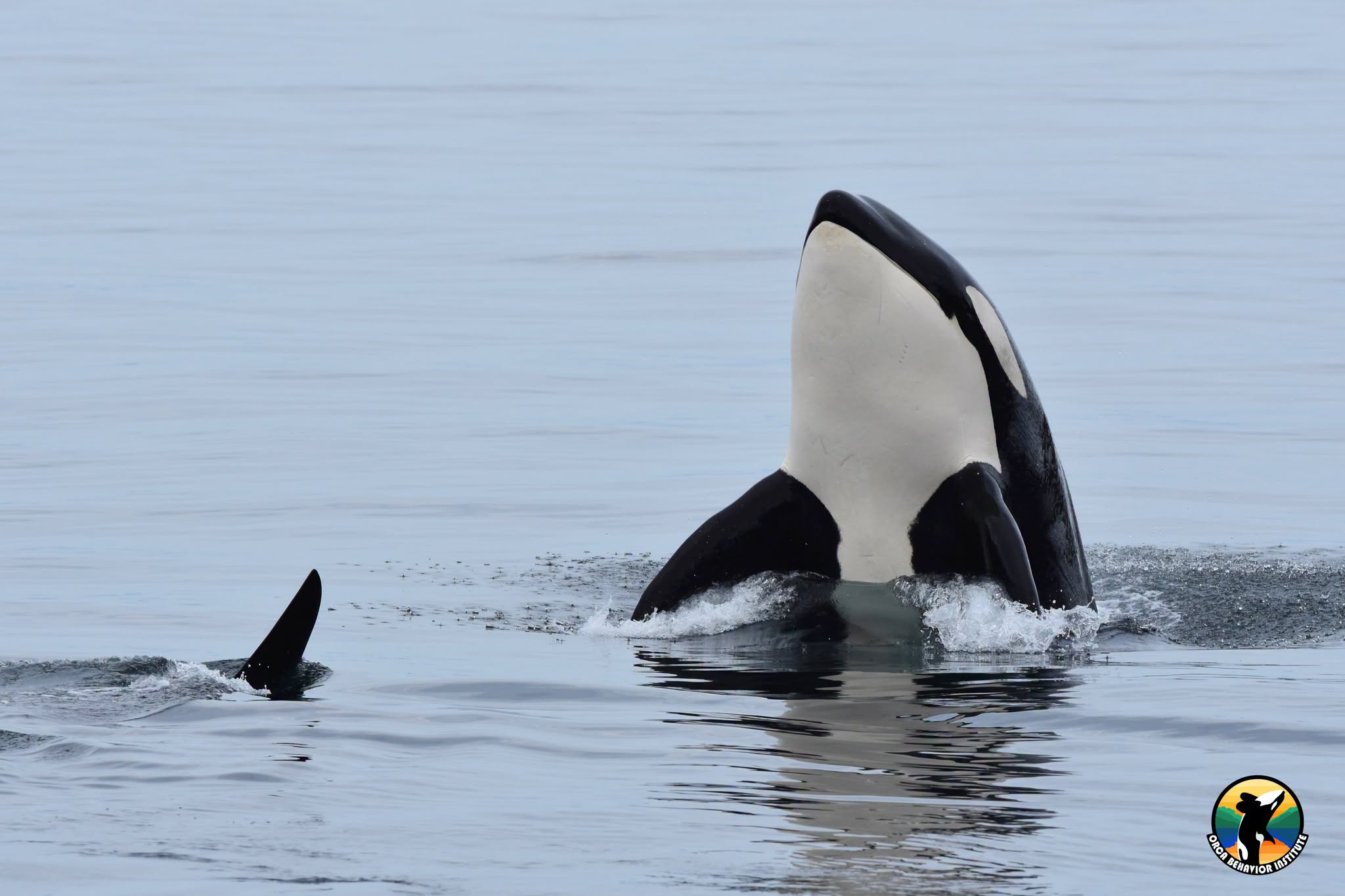
Three mystery orcas turned up in Vancouver Harbour, BC

Have you heard about the three mystery whales that turned up in Vancouver Harbour last week? After five decades of research, it’s not often adult killer whales show up in the Salish Sea who don’t match any of the existing photo ID catalogues, but that’s exactly what happened, which explains why this trio of orcas has created quite a stir.
Tracking these little-known whales is a true testament to community science and the benefits of the open sharing of information and collaboration. The best photographs of these whales in Vancouver were taken by Alex Cole and posted to the Howe Sound and Sea to Sky wildlife sightings group on Facebook. That allowed a match to be made to photographs taken by Nicole LaRoche in March 2025 and shared on Happywhale (with an ID match made by Emma Luck), revealing that these whales had been seen once before, all the way in Anchorage, Alaska! Today, Daniel Walsh shared photographs taken near Seattle on Orca Network, confirming the presence of these killer whales in their third location – interestingly, another city!
So, who are they? Based on their original sighting location and clues from their morphology such as cookie cutter shark marks, it’s likely they are from the Gulf of Alaska, Aleutian Islands, and Bering Sea transient stock. Not much is known about this population of mammal-eating killer whales, especially the ones from the more western reaches of that range. Anchorage is outside the range of the West Coast Transients, which is the population we see here in the Salish Sea and whose typical range is shown in purple on the map. More details on their origins won’t be confirmed until/unless researchers are able to get more information on these whales including acoustic recordings and/or DNA samples.
Did you know? There are multiple populations of both fish-eating resident and mammal-eating transient killer whales in the North Pacific. Populations of both ecotypes have overlapping geographic ranges, but while fish-eating populations have never been seen associating with one another, the delineations between mammal-eating populations are less clear, and occasional associations between whales from different groups have been recorded.
Why have these whales received two different sets of alphanumeric designations? It’s not uncommon for the same whales to have multiple common names and/or numbers assigned to them, depending on what people prefer to call them or the different research reference catalogues used. Some humpback whales have 8 or more different alphanumeric designations! Bay Cetology is the group that maintains the database of West Coast Transients that was originally started by Michael Bigg and has been continued by Graeme Ellis, Jared Towers, and others. For this reason, we and most others default to their IDs as the gold standard for mammal-eating killer whales on the west coast. They have assigned these whales as T419, T420, and T421, and that is how we will refer to them as well.
We will continue following the story of these whales with great interest. It’s incredible they’re here, and we hope they stick around long enough for us and many others to get the chance to see them.