OBI Art for Orcas: Meet the Artist, Stephany Clouatre-Groleau

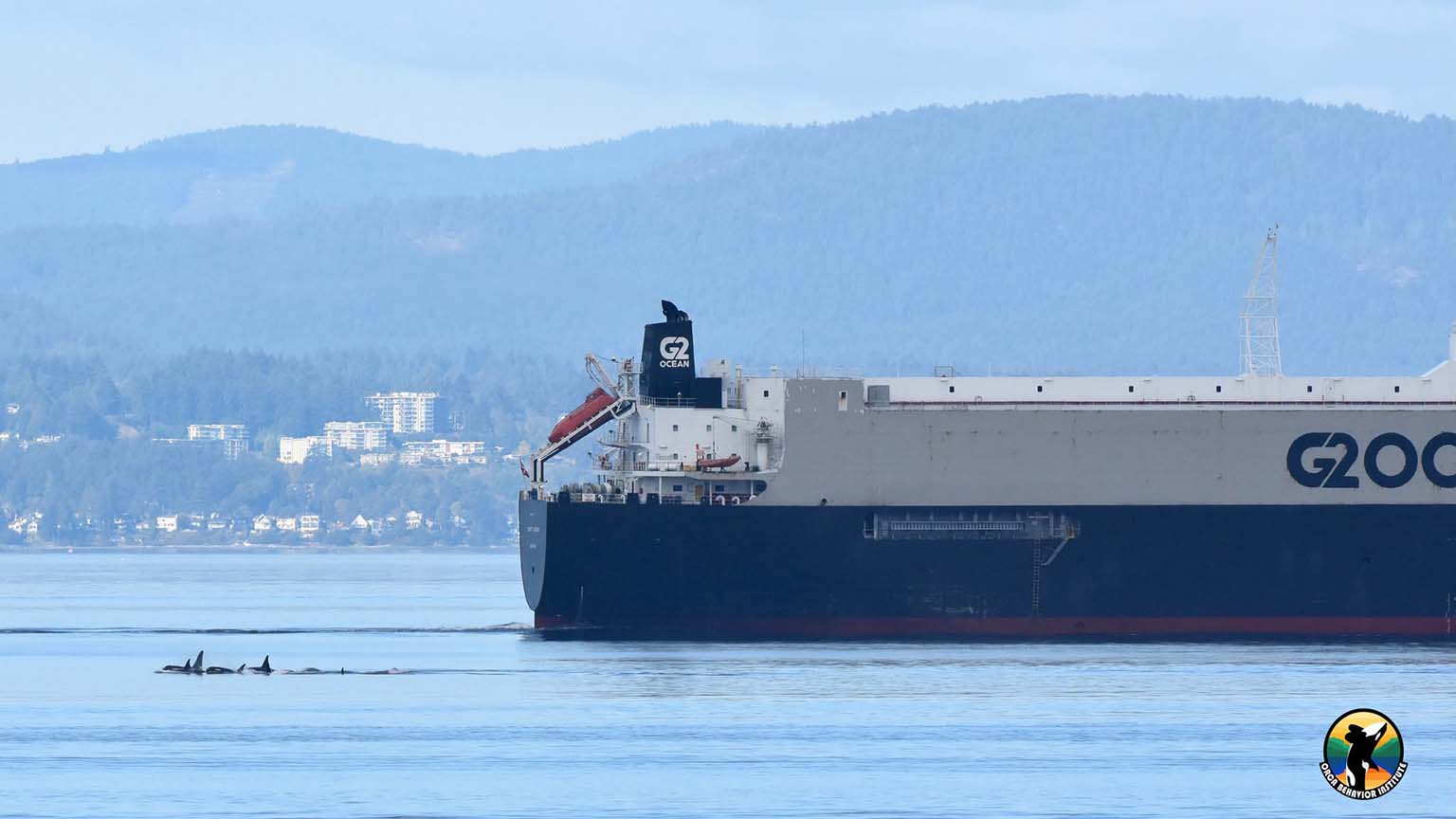
Today we'd like to highlight another of our artists, Stephany Clouatre-Groleau, who is Algonquin from Kitchi Sìbì, the Great River, in what is now known as Ontario. On June 14th, she presented her artistic representation of K42 Kelp in front of community members, families, educators, conservation organizations, performers, vendors, and visitors at the Gulf of Georgia Cannery in Vancouver, BC to celebrate Orca Action Month and National Indigenous Peoples Day while exploring the connections that tie us all to the ocean. Here are some words from Stephany about the event:"My journey with whales began with a simple question: How do the ships that move through our waters affect the whales that live there? One question quickly led to another....The more I learned, the more my focus shifted toward Southern Resident Killer Whales. Their story led me to salmon. Salmon led me to rivers. Rivers led me to the ecosystems, communities, and waterways that sustain life along our coast.. What began as a study of marine transportation became a journey into understanding how deeply connected our ocean ecosystems truly are.
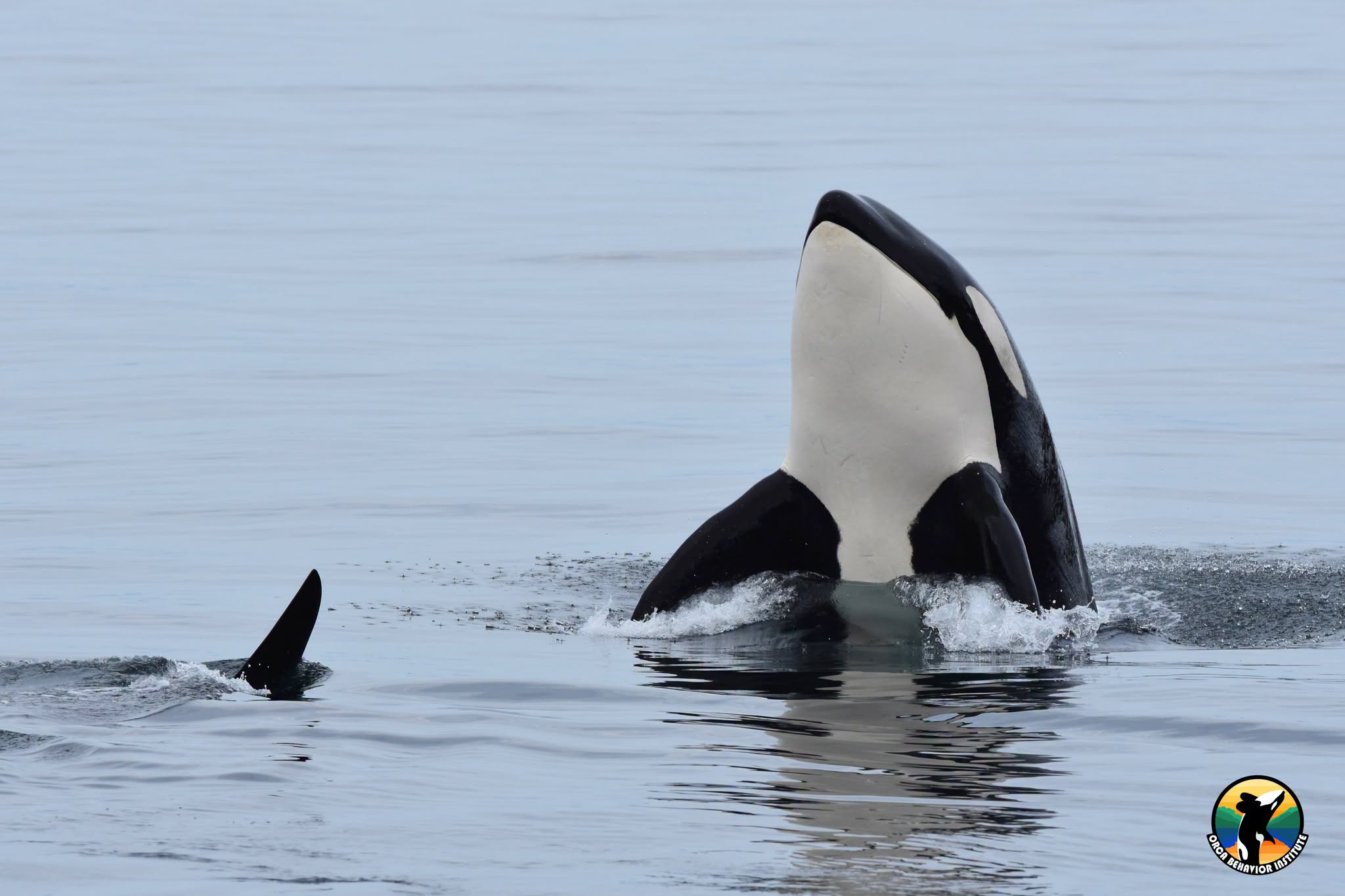
Many Indigenous teachings remind us that we are not separate from the natural world. We are part of it. The water, the salmon, the whales, the forests, and the people are all connected. When one part of the system struggles, we all feel the effects. When we care for the water and the life it supports, we are also caring for one another. The Orca Behavior Institute has been an important part of my journey. Through their courses and educational programs, I have had the opportunity to continue learning about whale behaviour, conservation, and the challenges facing Southern Resident Killer Whales today.What I love most about the 75 Fins for 75 Whales project is that it reminds us that these are not just numbers. Each fin represents an individual whale with a family, a history, and a role within their community. My whale, K42 Kelp, travels with his family, learns from the generations around him, and depends on healthy salmon populations to survive. In many ways, that story is not so different from our own. Like us, these whales rely on family, community, and knowledge passed from one generation to the next.As an exhibitor, speaker, and storyteller, I was honoured to introduce visitors to Kelp and the challenges facing Southern Resident Killer Whales. Seeing people stop, ask questions, and connect with his story was a powerful reminder that education and conservation often begin with a single conversation. One of the most rewarding parts of the day was seeing those conversations happen and watching people discover how whales, salmon, waterways, communities, and people are all connected. Thank you to the Gulf of Georgia Cannery for providing the perfect place to bring this event to life, and to the Orca Behavior Institute for creating the Bigg's 201 program that helped spark this journey and ultimately led to the opportunity to share K42 Kelp’s story. My hope is that everyone who joined us left with a deeper connection to the ocean and a reminder that conservation is not about being perfect, it is about the small choices we make every day. Miigwetch. Thank you."