20 Years Endangered

We Must Do More To Save
the Southern Resident Killer Whales

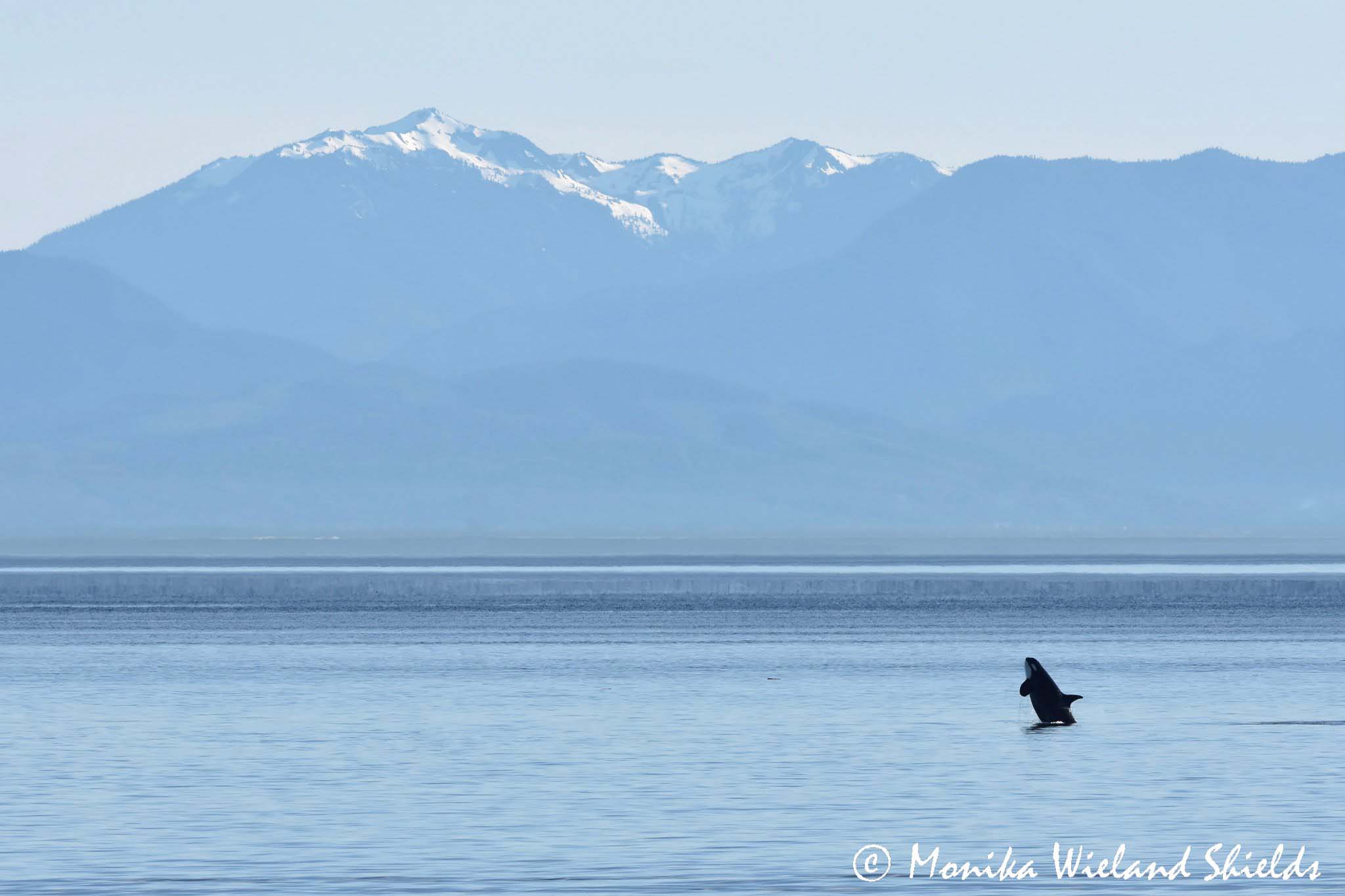
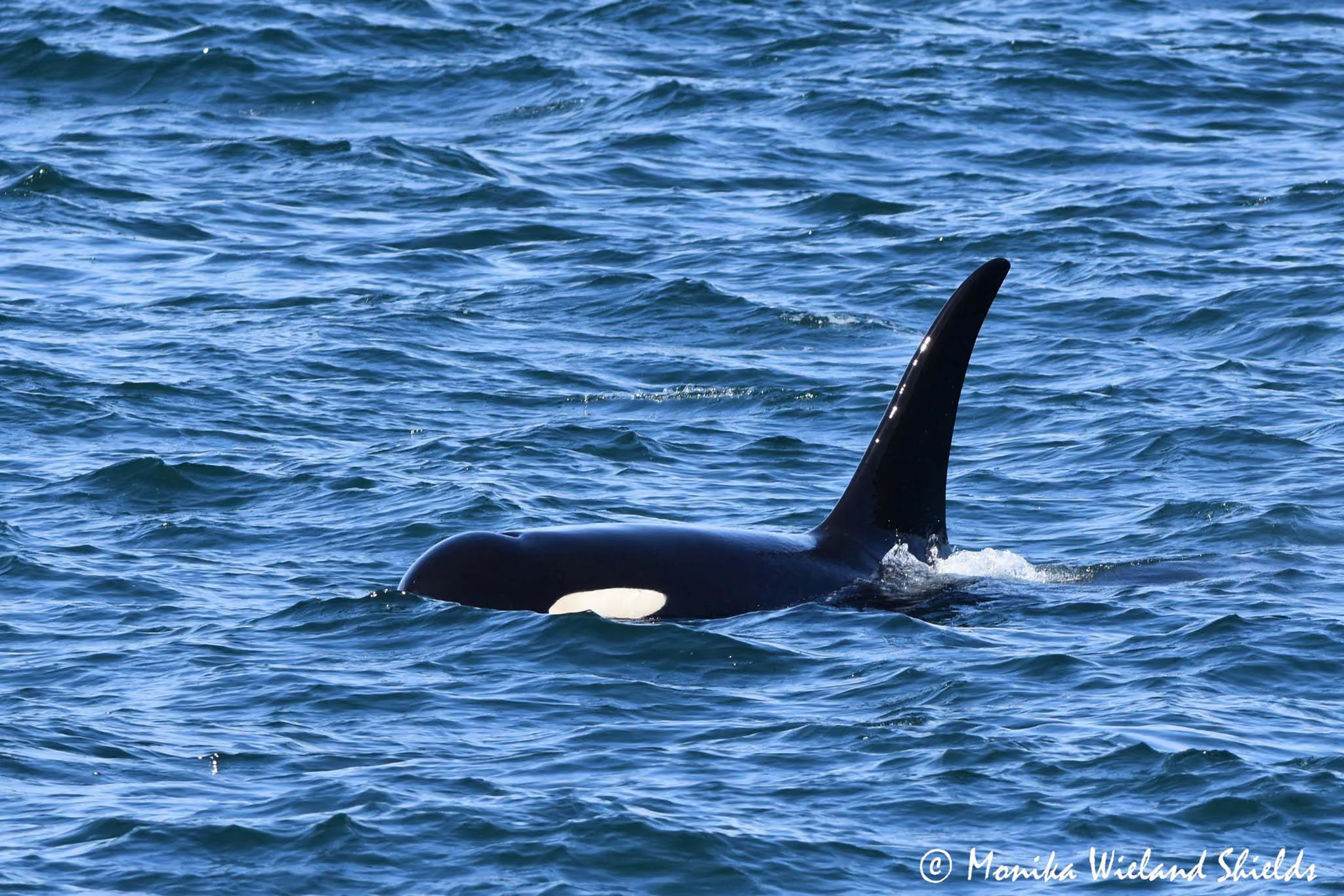
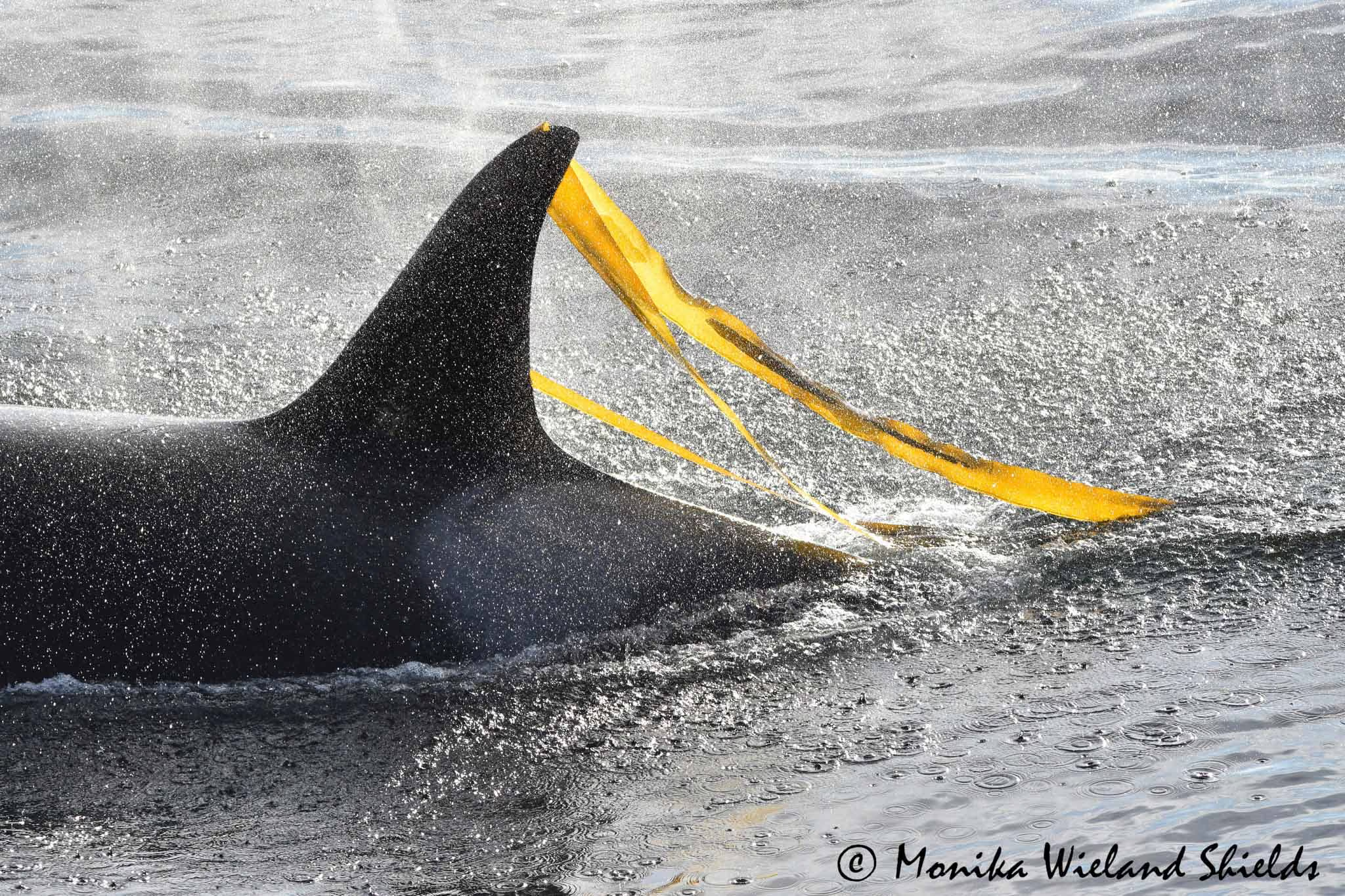
The Southern Resident killer whales inspired the founding of the Orca Behavior Institute. Our original research goals were to begin long-term behavioral monitoring and presence/absence tracking to put data to some of the changing patterns we were observing. Through this page, we hope you learn more about who these whales are, why they are unique, how they became endangered, and what we can all do to help reverse this trend.

Meet The Whales

Each individual whale has an alphanumeric designation: the pod letter followed by a number that indicates the order in which they were identified or born into the pod. This is how scientists keep track of who is who.
‍
They also each have one or more common names that have been given to them in various ways over the years. We believe that common names help the public connect to the whales more on an individual level, so we've provided our preferred common names here alongside some basic stats about each whale.
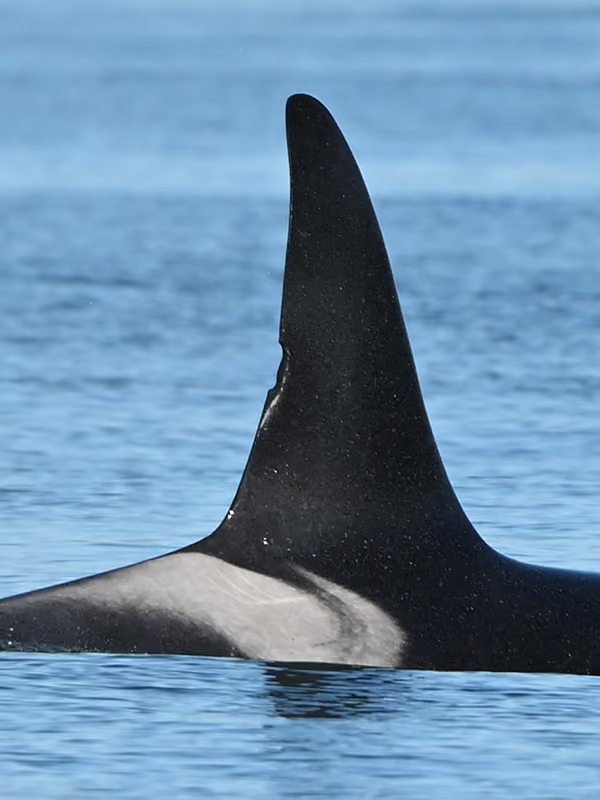
J47
Notch
Notch got his namesake marking at a young age. The size and shape of his notch has changed dramatically as his dorsal fin has grown with age.
Sex:
Male
Birth Year:
2010
Age:
January 1, 2010
Pod:
J Pod
Matriline:
J17s
Artist:
Jason and Monika Shields
Photo taken under NMFS Permit #27038
Monika standing outdoors on grass next to a large black J47 dorsal fin sculpture with a white whale tail design at its base, surrounded by greenery and pink flowers.
See All Pod Members
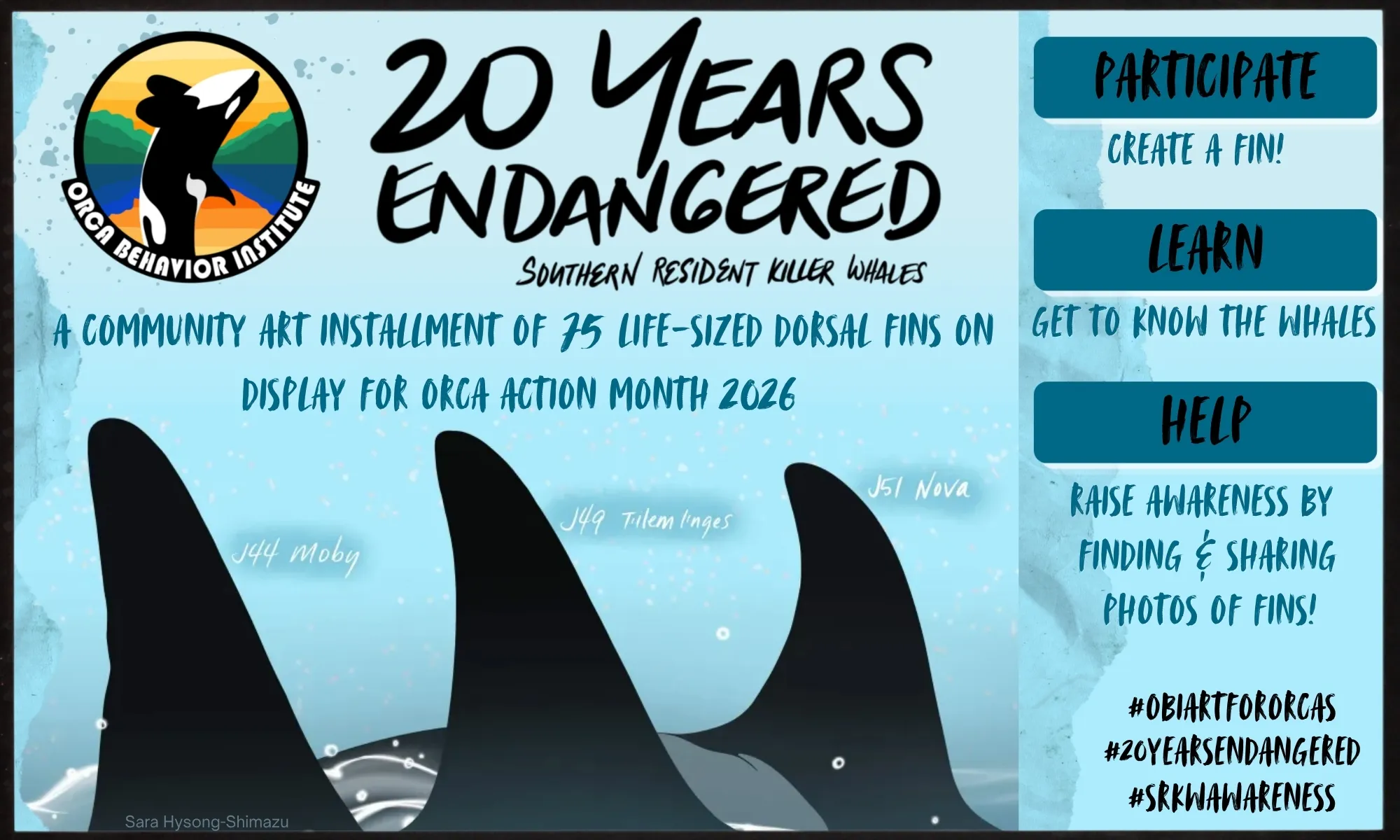
20 years Endangered Art Project Banner. Orca Behavior Insititute

#OBIArtForOrcas

Orca Action Month 2026
Our ambitious community art project featuring 75 life-sized dorsal fins on display throughout the Pacific Northwest and beyond.
Learn More
Humpback whale seen from behind, blowing water through its blowhole while lifting one pectoral fin above the ocean surface.
gone but not forgotten

Gone But Not Forgotten

Annual Day of the dead tributes
Each year on Day of the Dead, Monika writes a tribute to any whales we have lost. Their stories live on through these posts.
Read The Tributes
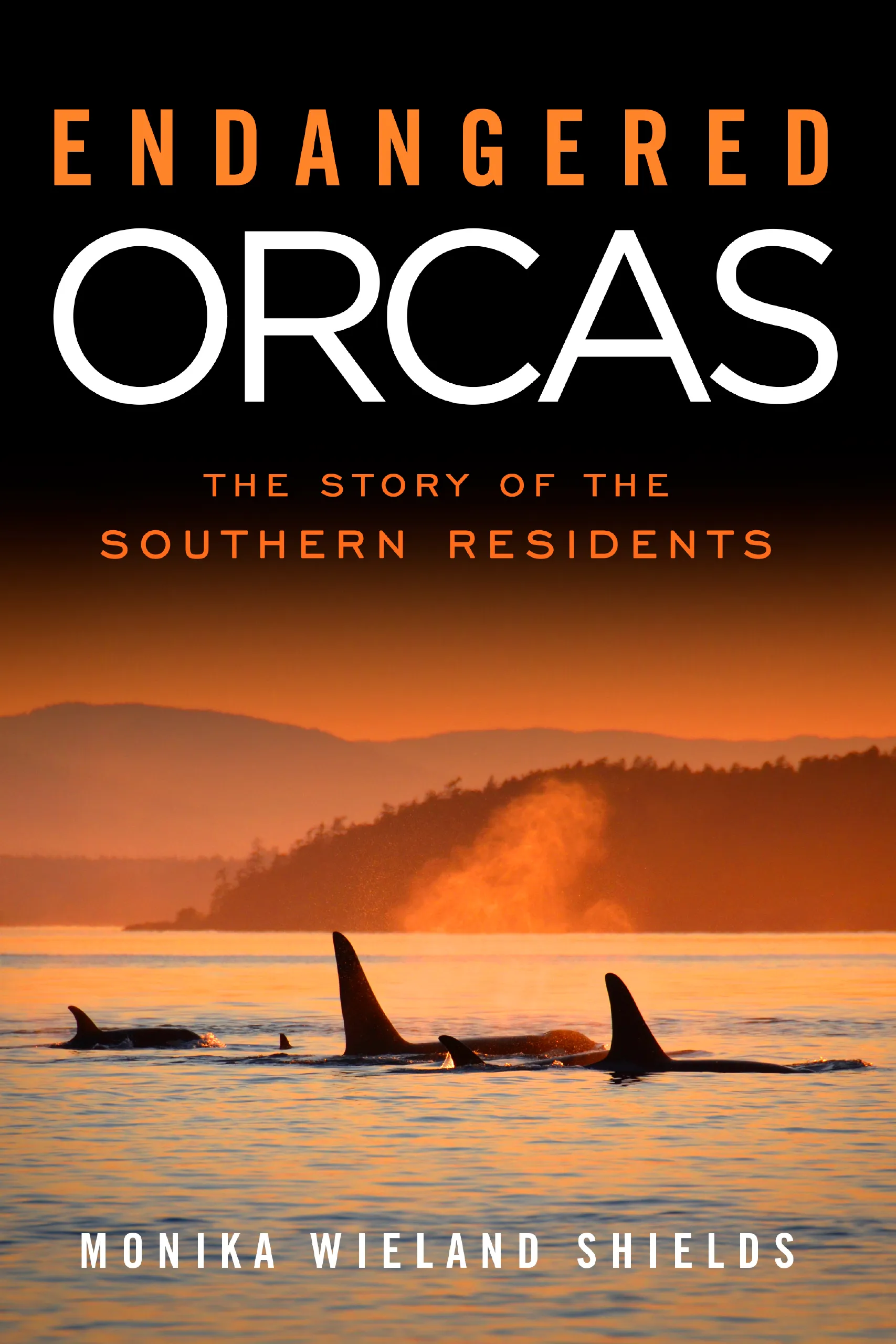
Book cover titled 'Endangered Orcas: The Story of the Southern Residents' by Monika Wieland Shields, featuring orcas swimming at sunset with mist rising against a backdrop of silhouetted hills.
gone but not forgotten

The Story of The SRKW

written by Monika W. Shields
With more challenges on the horizon, one question looms: can we still create a sustainable future for humans and Southern Resident orcas in the Salish Sea?
Get a Signed Copy
Southern resident KILLER WHALES

Learn More About the Sub-Groups

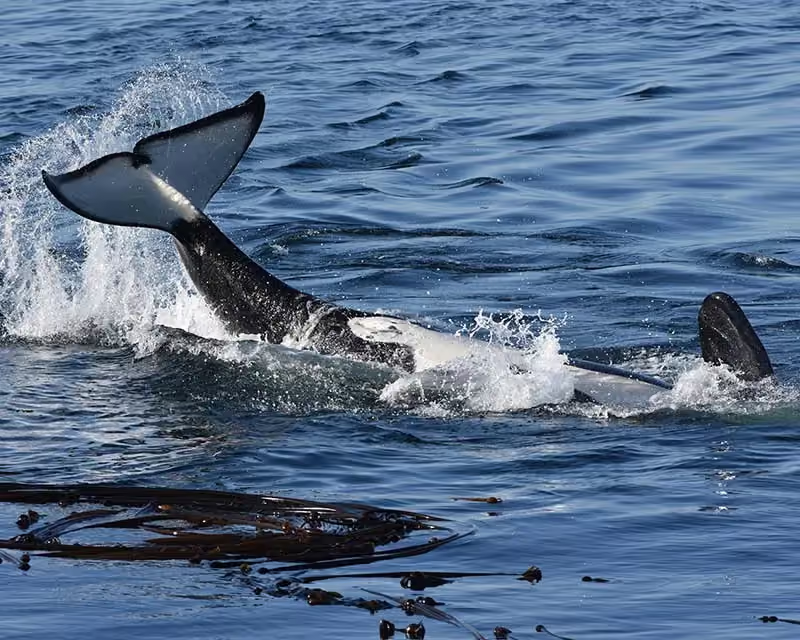
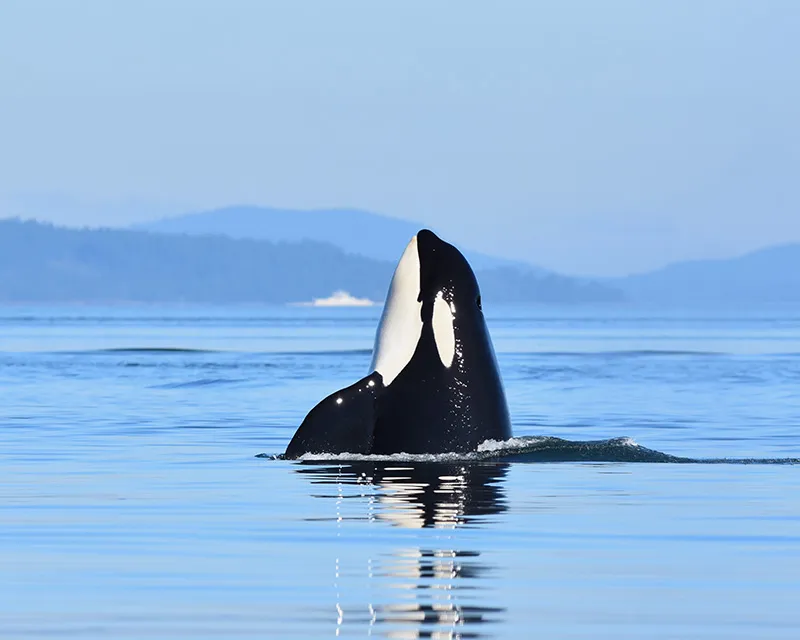
The Southern Resident killer whale (SRKW) population is made up of J-, K-, and L-Pods. Thanks to decades of research and the annual population census done by the Center for Whale Research, we know them as individuals with traceable matrilineal histories.
‍
The groups outlined below represent the main social units of the Southern Residents that typically travel all together.
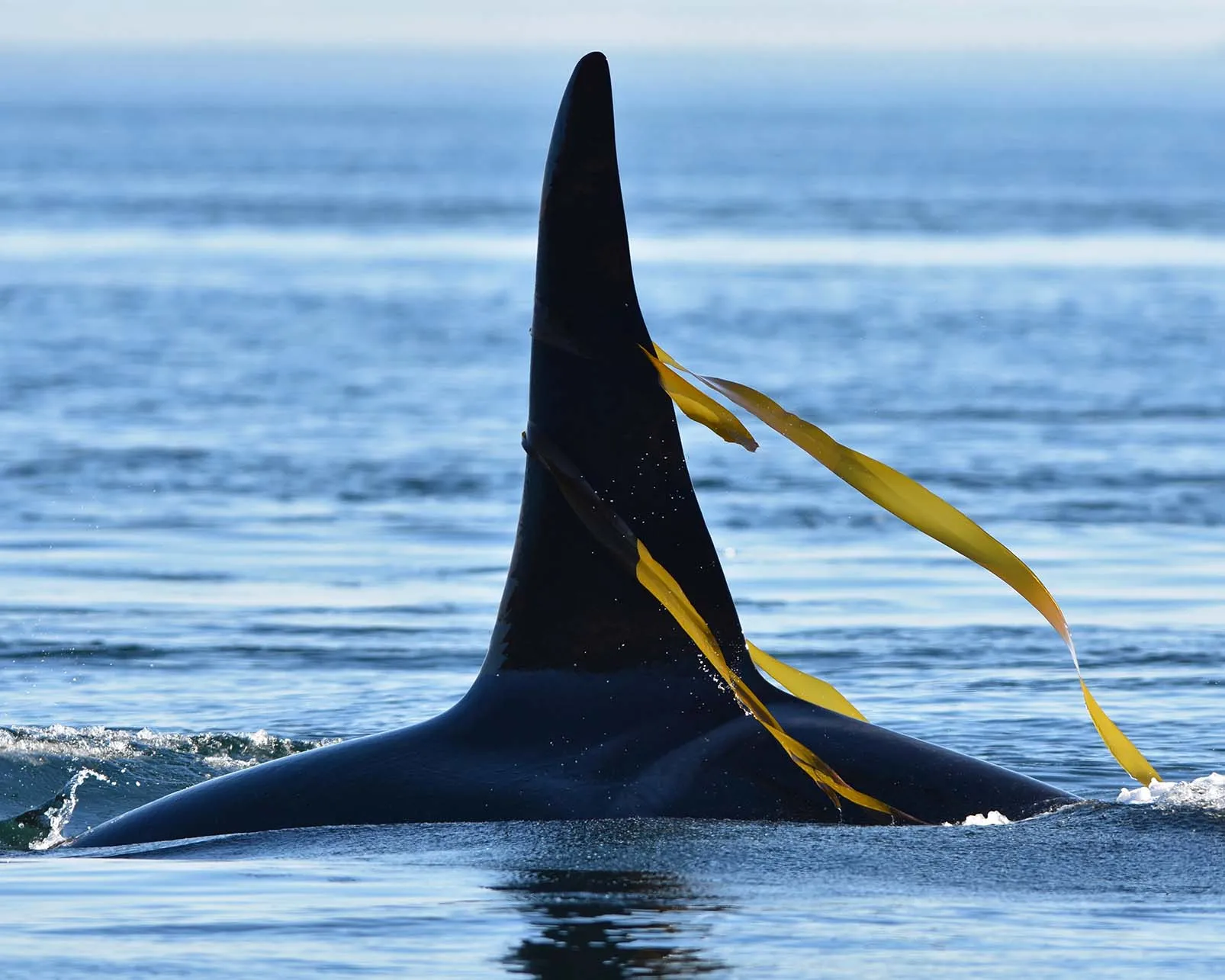
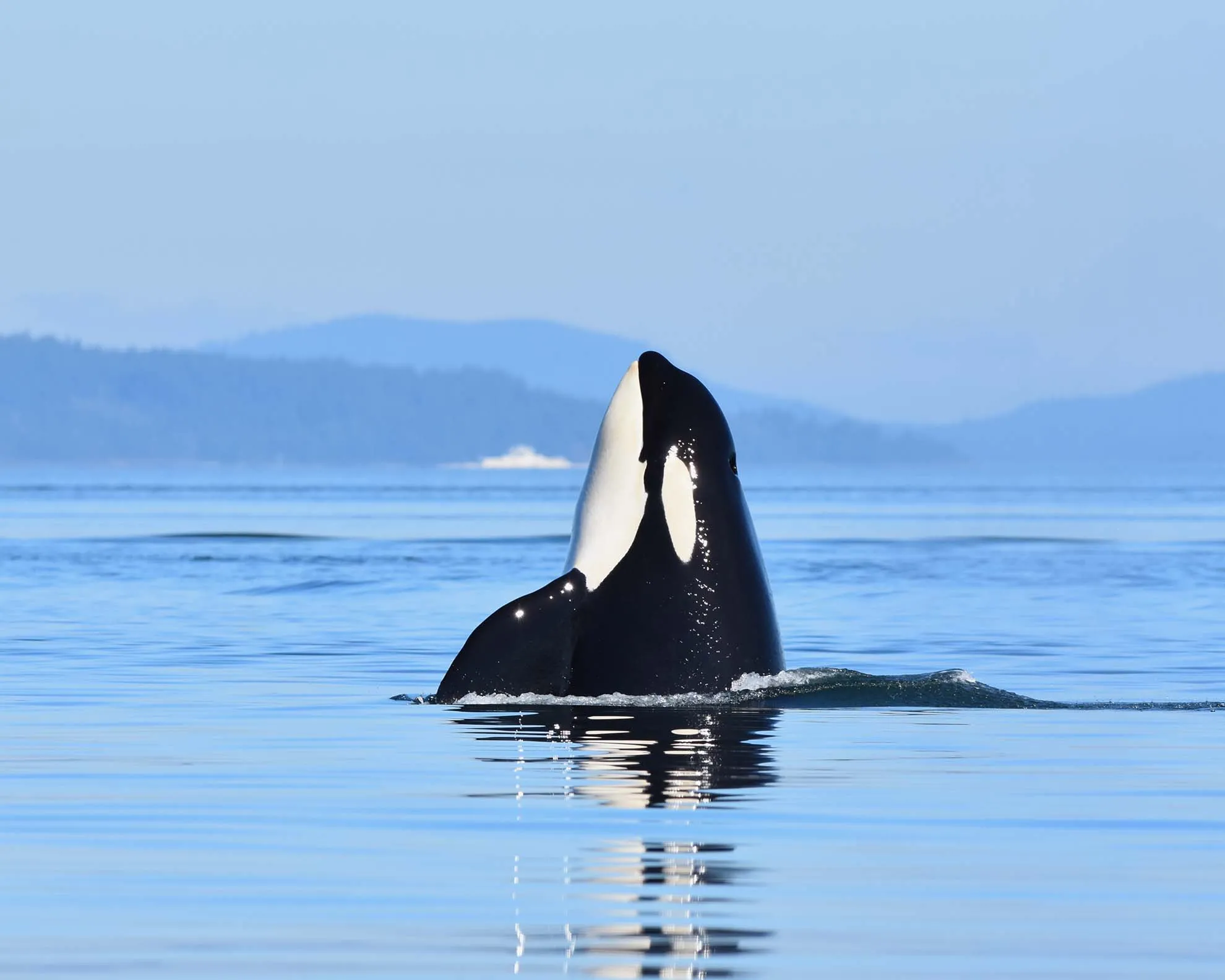
Meet J-Pod

J-Pod is the "most resident" of the three Southern Resident pods, spending by far the most time in the inland waters of the Salish Sea.
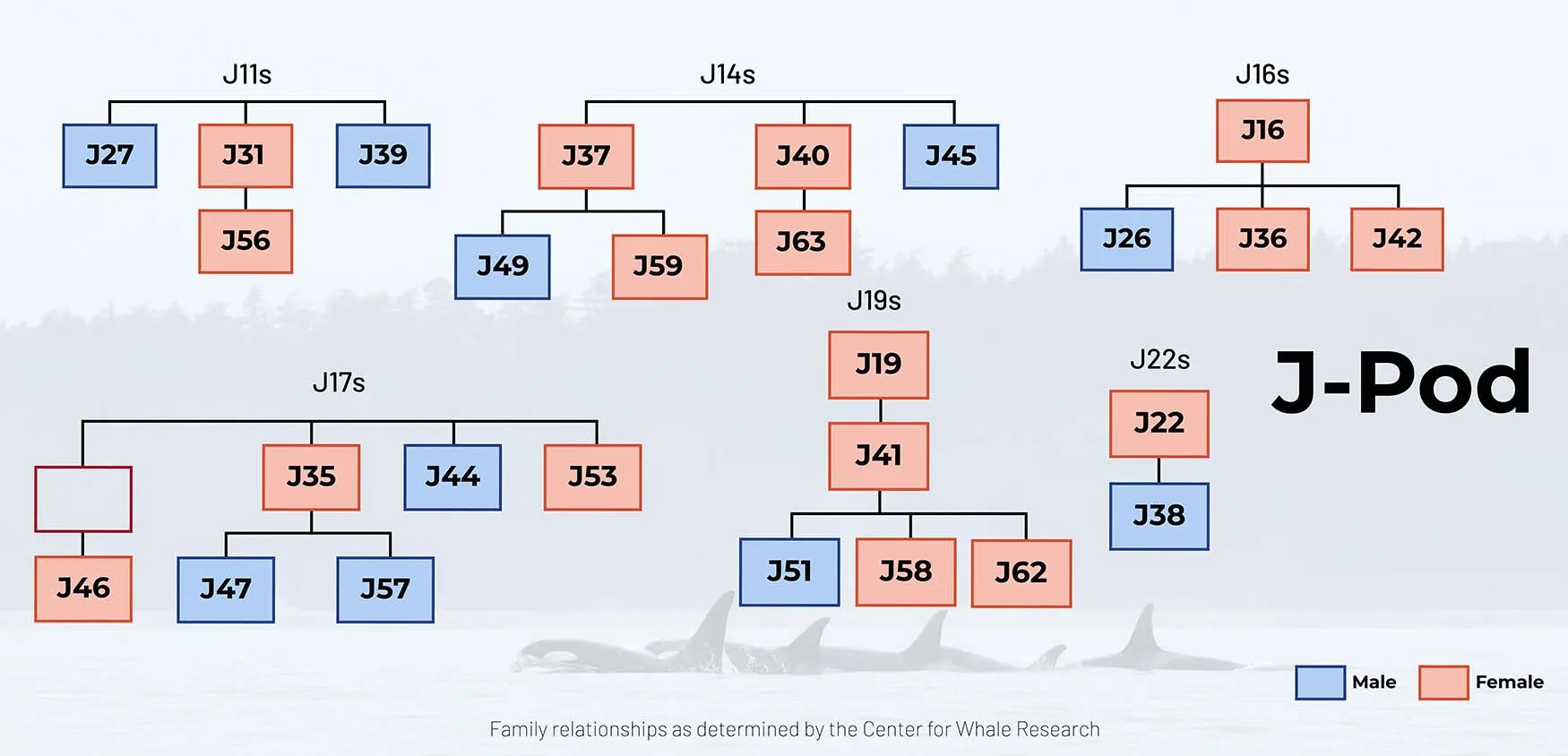
Family tree diagram of J-Pod orca whales with individual whales labeled by IDs in blue boxes for males and pink boxes for females, showing relationships in J11s, J14s, J16s, J17s, J19s, and J22s groups, sourced from the Center for Whale Research.

Meet K-Pod

Since studies began in the 1970s, K-Pod has been the smallest of the three Southern Resident pods, usually numbering between 15 and 20 individuals.
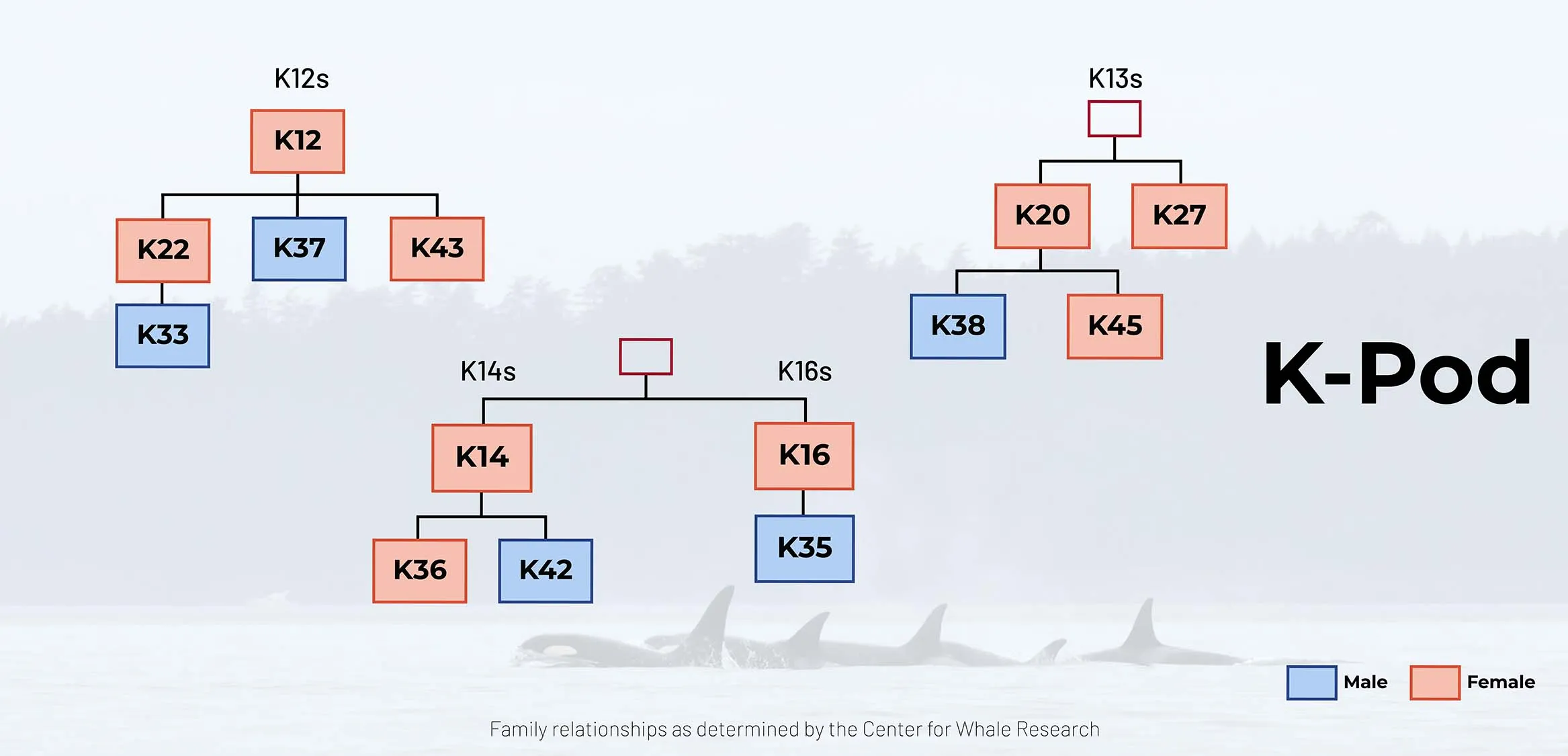
Family tree diagram of the K-Pod orca group showing individuals labeled with IDs: K12s with K12 (female) and offspring K22 (female) with male K33, K37 (male), K43 (female); K14s with K14 (female) and offspring K36 (female) and K42 (male); K16s with K16 (female) and K35 (male); K13s with offspring K20 (female) with K38 (male) and K45 (female), and K27 (female). Blue squares indicate males, and pink squares indicate females. The tree shows family relationships as determined by the Center for Whale Research, over a background of orcas swimming in water with trees on shore.

Meet The Greater L4s

The Greater L4s are the largest sub-group in L-Pod containing +/- 20 whales from several matrilines.
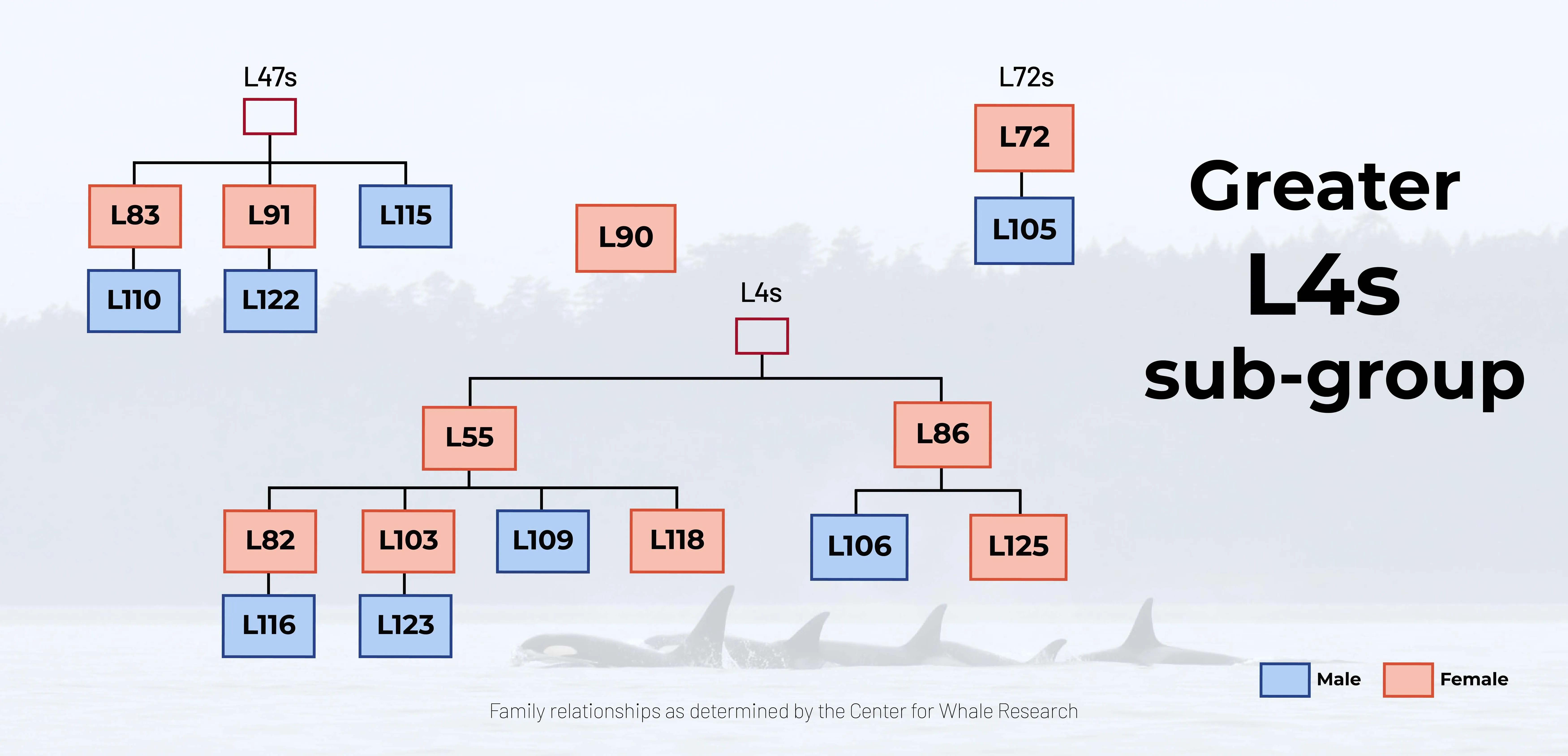
Family tree diagram of the Greater L4s sub-group of whales showing hierarchical relationships and gender, with males in blue and females in orange, based on research from the Center for Whale Research.

Meet The L12 sub-group

The L12 sub-group (or Greater L12s) is the mid-sized sub-group from L-Pod typically numbering between 10 and 15 individuals.
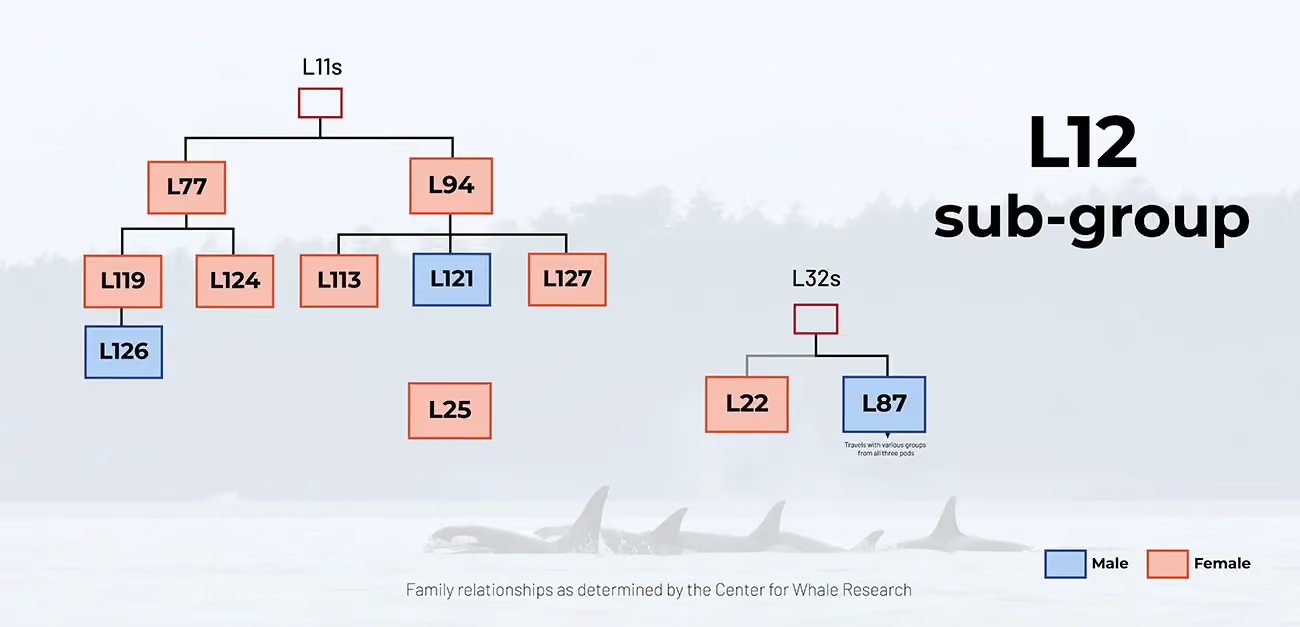
Family tree diagram of the L12 sub-group showing relationships among orcas with boxes labeled L11s, L77, L94, L119, L124, L113, L121, L127, L25, L32s, L22, and L87. Male orcas are marked with blue boxes, females with pink. L11s, L32s are ancestors. L87 travels with various groups from all three pods. The background features orcas swimming in water with forested shoreline in the distance.

Meet The L54 sub-group

The L54s are the smallest Southern Resident sub-group, currently totaling just four whales.
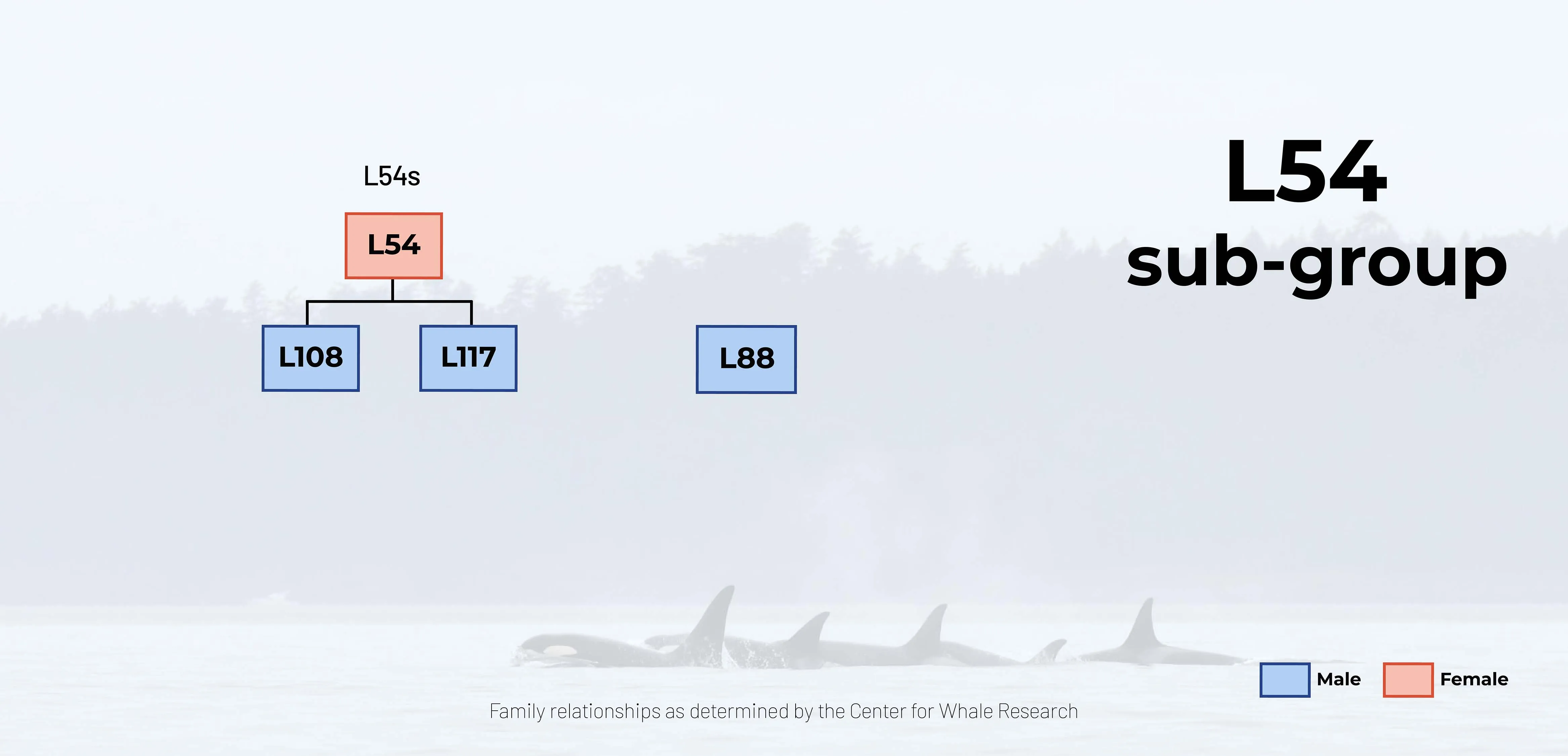
Family tree diagram of the L54 sub-group of orcas, showing a female L54 as the parent of two males, L108 and L117, and an unrelated male L88. Blue boxes indicate males, and red boxes indicate females. The background features a faded image of orcas swimming with trees on the horizon.
J26 2022

Meet J Pod

J-Pod is the "most resident" of the three Southern Resident pods, spending by far the most time in the inland waters of the Salish Sea.

Family tree diagram of J-Pod orca whales with individual whales labeled by IDs in blue boxes for males and pink boxes for females, showing relationships in J11s, J14s, J16s, J17s, J19s, and J22s groups, sourced from the Center for Whale Research.
K22 southern resident orca

Meet K-Pod

Since studies began in the 1970s, K-Pod has been the smallest of the three Southern Resident pods, usually numbering between 15 and 20 individuals.

Family tree diagram of the K-Pod orca group showing individuals labeled with IDs: K12s with K12 (female) and offspring K22 (female) with male K33, K37 (male), K43 (female); K14s with K14 (female) and offspring K36 (female) and K42 (male); K16s with K16 (female) and K35 (male); K13s with offspring K20 (female) with K38 (male) and K45 (female), and K27 (female). Blue squares indicate males, and pink squares indicate females. The tree shows family relationships as determined by the Center for Whale Research, over a background of orcas swimming in water with trees on shore.
L91 and L122 southern resident orcas

Meet The Greater L4s sub-group

The Greater L4s are the largest sub-group in L-Pod containing +/- 20 whales from several matrilines.
‍

Family tree diagram of the Greater L4s sub-group of whales showing hierarchical relationships and gender, with males in blue and females in orange, based on research from the Center for Whale Research.
L25 and L126 - 2023 Southern resident killer whales

Meet The Greater L12s sub-group

The L12 sub-group (or Greater L12s) is the mid-sized sub-group from L-Pod typically numbering between 10 and 15 individuals.

Family tree diagram of the L12 sub-group showing relationships among orcas with boxes labeled L11s, L77, L94, L119, L124, L113, L121, L127, L25, L32s, L22, and L87. Male orcas are marked with blue boxes, females with pink. L11s, L32s are ancestors. L87 travels with various groups from all three pods. The background features orcas swimming in water with forested shoreline in the distance.
L88, L54, L84 in 2015. Southern resident killer whales

Meet The Greater L54s sub-group

The L54s are the smallest Southern Resident sub-group, currently totaling just four whales.
‍

Family tree diagram of the L54 sub-group of orcas, showing a female L54 as the parent of two males, L108 and L117, and an unrelated male L88. Blue boxes indicate males, and red boxes indicate females. The background features a faded image of orcas swimming with trees on the horizon.
video & Hydrophone recordings

Explore our SRKW Multimedia

Experience the Southern Residents through our collection of video compilations and hydrophone clips from our field work
An Introduction to Southern Resident killer whales Acoustic Communication
SRKWs Return To The Salish Sea!
OBI Focal Follow #4: K-Pod Returns to the Salish Sea
Southern Resident Killer Whale Behaviors
J-, K-, and L-Pod
Hydrophone Recording

Js, Ks, and Ls in Swanson Channel

Listen now
Illustration of a black and white orca whale swimming with abstract black sound waveforms behind it on a white background.
Swanson Channel, BC
11/18/2023
J-Pod
Hydrophone Recording

J-Pod in Swanson Channel on December

Listen now
Illustration of a black and white orca whale swimming with abstract black sound waveforms behind it on a white background.
Swanson Channel, BC
12/11/2023
Hydrophone Recording

L-Pod Vocals on Lime Kiln Hydrophone

Listen now
Illustration of a black and white orca whale swimming with abstract black sound waveforms behind it on a white background.
Lime Kiln Hydrophone
1/22/2022
J- and K-Pods
Hydrophone Recording

J-Pod and K-Pod in Swanson Channel

Listen now
Illustration of a black and white orca whale swimming with abstract black sound waveforms behind it on a white background.
Swanson Channel, BC
4/12/2025
J- and K-Pods
Hydrophone Recording

J- and K-Pods at Lime Kiln

Listen now
Illustration of a black and white orca whale swimming with abstract black sound waveforms behind it on a white background.
Lime Kiln
5/27/2024
K14s
Hydrophone Recording

K14s on July 13

Listen now
Illustration of a black and white orca whale swimming with abstract black sound waveforms behind it on a white background.
Lime Kiln
7/13/2018
J Pod
Hydrophone Recording

J-Pod at Lime Kiln After Dark

Listen now
Illustration of a black and white orca whale swimming with abstract black sound waveforms behind it on a white background.
Lime Kiln Lighthouse
7/15/2025
J-Pod
Hydrophone Recording

J-Pod at Lime Kiln August 21

Listen now
Illustration of a black and white orca whale swimming with abstract black sound waveforms behind it on a white background.
Lime Kiln
8/21/2019