What research permits and permissions are required for our fieldwork?

Over the rest of the year we are going to feature a few posts about our research work! First up: have you ever wondered what research permits and permissions are required for our fieldwork?
There are different types of research permits to apply for depending on whether your target species is listed as endangered, threatened, or protected; whether the work will occur in the US or Canada; and what level of “take” might occur. NOAA, for example, defines Level A as work that may result in the injury, harm, or death of a marine mammal, and Level B as work that may result in behavioral disturbance of a marine mammal. If your activities occur within all existing regulations, a permit is not required.
All of our data collection is observational, with behavioral monitoring and acoustic recordings possible at standard viewing distances of 200-300 yards/meters. When we started our research program, we confirmed with management agencies that the way we operate does not require a permit. This means we can also add to our long-term datasets when onboard whale-watching vessels, allowing us to share research encounters with students, interns, and the general public.
In 2019, Canada issued a ruling establishing a 400-meter viewing distance for all killer whales in southern British Columbia waters. In response, we applied for and received a DFO permit to continue our observations at Bigg’s killer whales at closer distances, matching exemptions that were provided to commercial whale-watching companies who can also differentiate between Southern Resident and Bigg’s killer whales. We still hold an active version of this permit, though in 2026 this viewing distance in Canada went back to 200-meters for Bigg’s killer whales in southern BC waters.
In 2025, when Washington State went to a 1000-yard viewing distance for Southern Resident killer whales, we decided to make our behavioral work in the San Juans exclusively shore-based. We continue to partner with organizations that have pre-existing permits for any on-the-water work with Southern Residents.
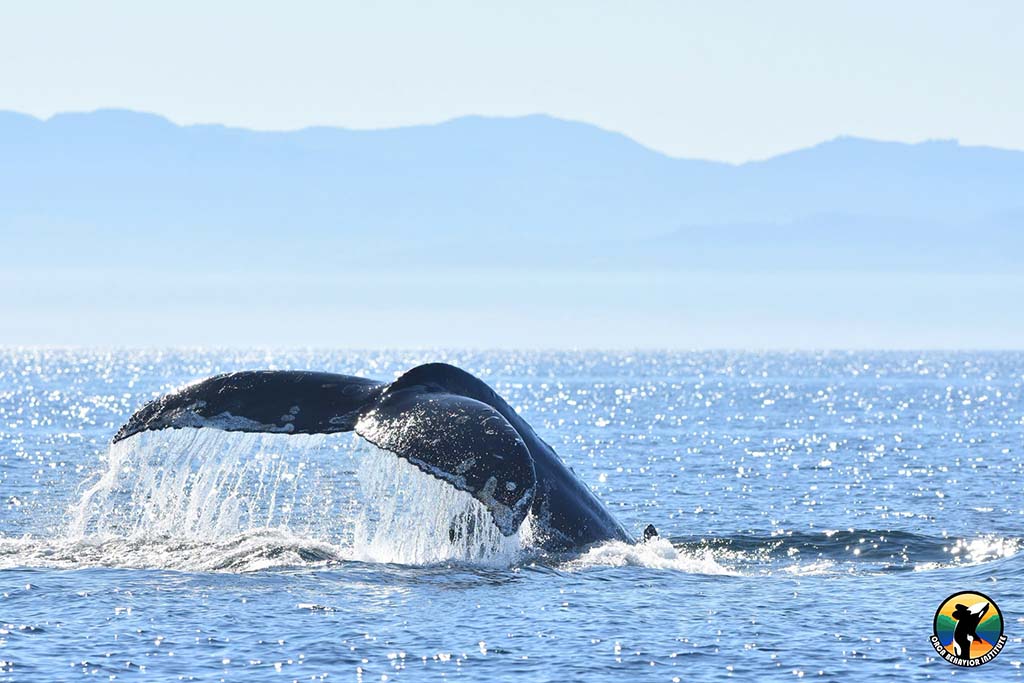
If you have any questions or concerns, please reach out to us directly! Our team is always happy to engage, and especially in an age when there is so much misinformation shared on the internet, we are committed to ongoing openness and transparency in our work.Photo by David Howitt of us on scene with Bigg's killer whales in the San Juan Islands.